


Introduction to Bubble Test Leak
Bubble test leak is a widely recognized method for evaluating the integrity of packaging. This method is particularly effective for detecting gross leaks in packaging such as trays, pouches, and flexible packaging. According to ASTM F2096, bubble test leak detection relies on internal pressurization to identify leaks that could compromise product safety and quality. Ensuring packaging integrity is essential in industries like food, pharmaceuticals, and medical devices, where maintaining sterility and protection from contamination is critical.
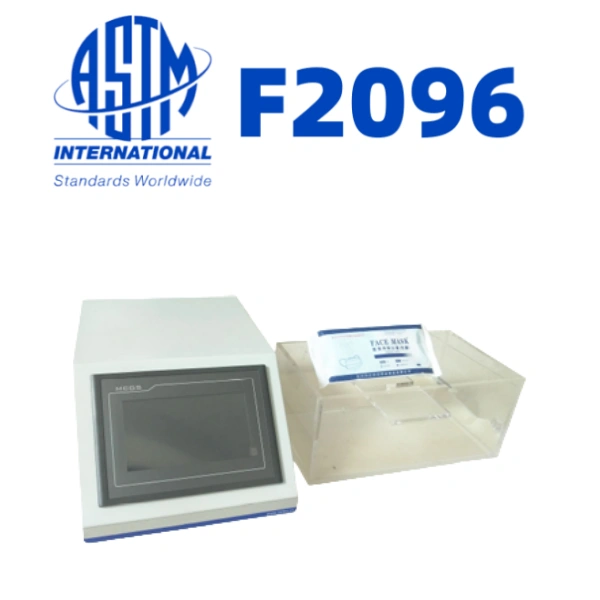
Understanding Bubble Leak Test ASTM
Bubble leak test ASTM (ASTM F2096) provides a standardized approach to assess gross leaks in packaging. The testing method involves pressurizing a package underwater and visually inspecting for air bubbles, which indicate leakage points. The standard specifies methods for both porous and nonporous packages, allowing it to be applied across a wide range of materials and package types.
- ASTM F2096 Testing Method: Packages are punctured to insert a pressure source, then submerged and inflated under controlled pressure. Observation of continuous bubble streams pinpoints seal failures, pinholes, cracks, or tears.
- Detecting Gross Leaks in Packaging: By identifying large defects, the bubble test helps manufacturers prevent compromised packaging from reaching the consumer. The sensitivity of the test can detect leaks as small as 250 μm with high probability.
- Flexible Packaging Leak Test: Flexible packages are particularly suited for bubble testing due to their ability to expand underwater. Proper use of air pressure and water submersion ensures reliable detection of integrity failures.
Procedure for Bubble Test Leak
The bubble test leak procedure involves several carefully controlled steps:
- Preparation: Select representative test specimens. For nonporous packaging, puncture a small hole to insert the air source and pressure monitor. For porous packages, apply a minimal blocking agent to reduce premature air escape.
- Pressurization: Insert the air source and gradually inflate the package underwater using a regulated pressure delivery system with a bleed-off control valve.
- Observation: Inspect the package for a continuous stream of bubbles. Rotate the package to ensure all sides are evaluated, marking any visible defects.
- Documentation: Record leak locations, package type, test pressure, and any observed failures. This data ensures traceability and quality control compliance.
The method ensures that both large leaks and small defects are reliably identified before packaging reaches consumers.
Advantages of Bubble Test Leak
The bubble test leak offers several advantages for quality control:
- High Sensitivity: Detects leaks as small as 0.010 in. (250 μm) with 81% probability.
- Versatility: Applicable to a wide range of package types and materials, including flexible and nonporous packaging.
- Direct Visual Feedback: Bubbles provide immediate indication of leak locations, enabling quick corrective action.
- Compliance and Safety: Meets ASTM F2096 standards, ensuring reliable and repeatable results for regulatory compliance.
Cell Instruments Gross Leak Tester
To efficiently conduct bubble test leak detection, the Cell Instruments Gross Leak Tester is highly recommended. This instrument is designed for internal pressurization testing and can be used with various package types, including trays, pouches, and flexible packaging. Key features include:
- Precise pressure monitoring and control for accurate leak detection.
- Adjustable bleed-off valves to maintain optimal test pressure.
- Transparent water containers for clear observation of bubble formation.
- High repeatability and reproducibility to ensure compliance with ASTM F2096.
Using the Cell Instruments Gross Leak Tester, quality control professionals can confidently identify leaks, maintain product integrity, and comply with international standards.
Conclusion
The bubble test leak is an essential method for verifying the integrity of packaging, particularly for flexible materials and critical products. Following ASTM F2096 Testing Method ensures that defects such as pinholes, seal failures, or cracks are detected before packaging reaches the market. Implementing a Flexible Packaging Leak Test with reliable instrumentation like the Cell Instruments Gross Leak Tester strengthens quality control, enhances consumer safety, and maintains regulatory compliance.
Properly executed bubble test leak procedures allow manufacturers to confidently deliver safe, high-quality products, making this method an indispensable part of modern packaging testing protocols.
 BG
BG  CS
CS  DA
DA  EL
EL  ET
ET  FI
FI  HU
HU  IT
IT  LT
LT  LV
LV  NB
NB  NL
NL  PL
PL  PT
PT  RO
RO  SK
SK  SL
SL  SV
SV  TR
TR  UK
UK