


Gross Leak Testing for Packaging: Ensuring Package Integrity
In the packaging industry, the detection of gross leaks is crucial for maintaining product quality and consumer safety. Gross leak testing for packaging is a method used to identify major defects such as tears, pinholes, and seal failures that could compromise the integrity of the packaging. One of the most widely used methods for detecting these leaks is bubble testing.
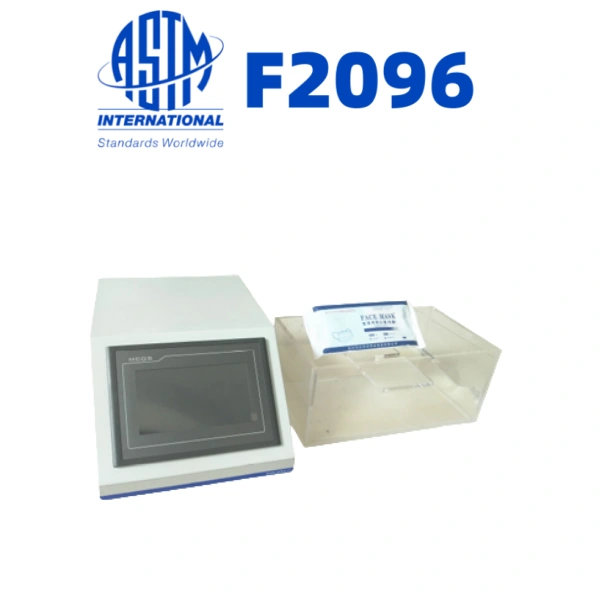
ASTM F2096 Testing Method: A Key Standard for Gross Leak Detection
The ASTM F2096 Testing Method outlines a reliable approach for detecting gross leaks in packaging. This standard, which is used extensively in the packaging industry, provides the framework for performing the bubble test by applying internal pressurization to the packaging material. The process involves inflating the package underwater to a predetermined pressure and inspecting it for bubbles, which indicate areas of failure.
This method is particularly useful for nonporous packaging materials like trays and pouches, offering a sensitivity as low as 250 microns (0.010 inches) with an 81% probability. The test helps manufacturers ensure that their packaging maintains a contamination-free or sterile environment for the product.
Bubble Testing: A Reliable Method for Detecting Gross Leaks in Packaging
Bubble testing, also known as the internal pressurization test, is one of the most effective ways to detect gross leaks. During this test, a package is submerged underwater, and air is injected into it to create internal pressure. Any defects, such as pinholes or tears in the seal, will cause air bubbles to appear. This visual indication of a leak helps pinpoint the exact location of the failure.
Flexible packaging leak detection is an important subset of this process. For flexible materials like films and pouches, the bubble test helps detect leaks in seals and seams that may not be immediately visible. By subjecting the packaging to internal pressure, manufacturers can identify areas of weakness that could lead to product contamination or spoilage.
How to Perform Gross Leak Testing Using ASTM F2096
To conduct a gross leak test for packaging using ASTM F2096, the following steps should be followed:
- Prepare the Package: Place the package in a water container, ensuring that it is fully submerged. For nonporous materials, a puncturing device is used to insert the air source and pressure monitor.
- Inflate the Package: Slowly inflate the package using a controlled air pressure system. The test pressure should be set according to the package material to avoid excessive pressurization, which could damage the package.
- Inspect for Bubbles: Observe the package for any stream of air bubbles. These bubbles indicate a leak, which could be due to seal defects, cracks, or other failures in the packaging material.
- Repeat for Other Sides: Rotate the package 180° and inspect the other side for leaks, ensuring comprehensive testing.
- Mark and Analyze Failures: Once a leak is detected, mark the failure area for further analysis. This could help in refining the packaging process and improving quality control measures.
The Importance of Gross Leak Testing in Packaging Integrity
Package integrity is essential in industries where contamination or spoilage could pose a significant risk, such as food, medical, and pharmaceutical sectors. Packaging serves as a barrier that protects the product from external elements, ensuring its safety and longevity. By conducting regular gross leak testing for packaging, manufacturers can detect and address defects before they become a major issue, reducing the risk of product failure and enhancing consumer trust.
Recommendations for Leak Testing Equipment
For effective gross leak testing, we recommend using Cell Instruments’ Gross Leak Tester, which is designed to provide precise and reliable leak detection. Our testers are equipped with advanced features to ensure accurate pressure regulation and bubble detection, helping quality control personnel detect leaks with ease and precision. These instruments are ideal for use in testing various packaging materials, ensuring that your products meet the highest quality standards.
 BG
BG  CS
CS  DA
DA  EL
EL  ET
ET  FI
FI  HU
HU  IT
IT  LT
LT  LV
LV  NB
NB  NL
NL  PL
PL  PT
PT  RO
RO  SK
SK  SL
SL  SV
SV  TR
TR  UK
UK