




Metodo di prova delle perdite di blu di metilene

Leak Test Through Dye Ingress

Method Description

The Methylene Blue Leak Test Method, also the Dye Penetration Test is a widely used method for assessing seal integrity in packaging. This approach involves immersing the packaging in a blue dye solution, typically methylene blue, to identify any leaks. It is particularly effective for packages requiring robust barrier properties, such as those used in pharmaceuticals and food products. By using the dye as a tracer liquid, this test allows for a visual confirmation of any breaches in the packaging material

How does Methylene Blue Leak Test Method​ work

How Does This Method Work?

The Methylene Blue Leak Testing operates through a vacuum desiccator setup. Initially, the packaging is coated with the methylene blue dye and placed inside a vacuum chamber. As the vacuum is applied, air is evacuated from the chamber, causing any air present within the packaging to escape. If the package has any leaks, the vacuum will draw the blue dye into the interior. If there are no breaches, the dye will remain external. This effective dye ingress method provides a clear visual indicator of seal integrity.

Cell Instruments’ Methylene Blue Leak Test Systems

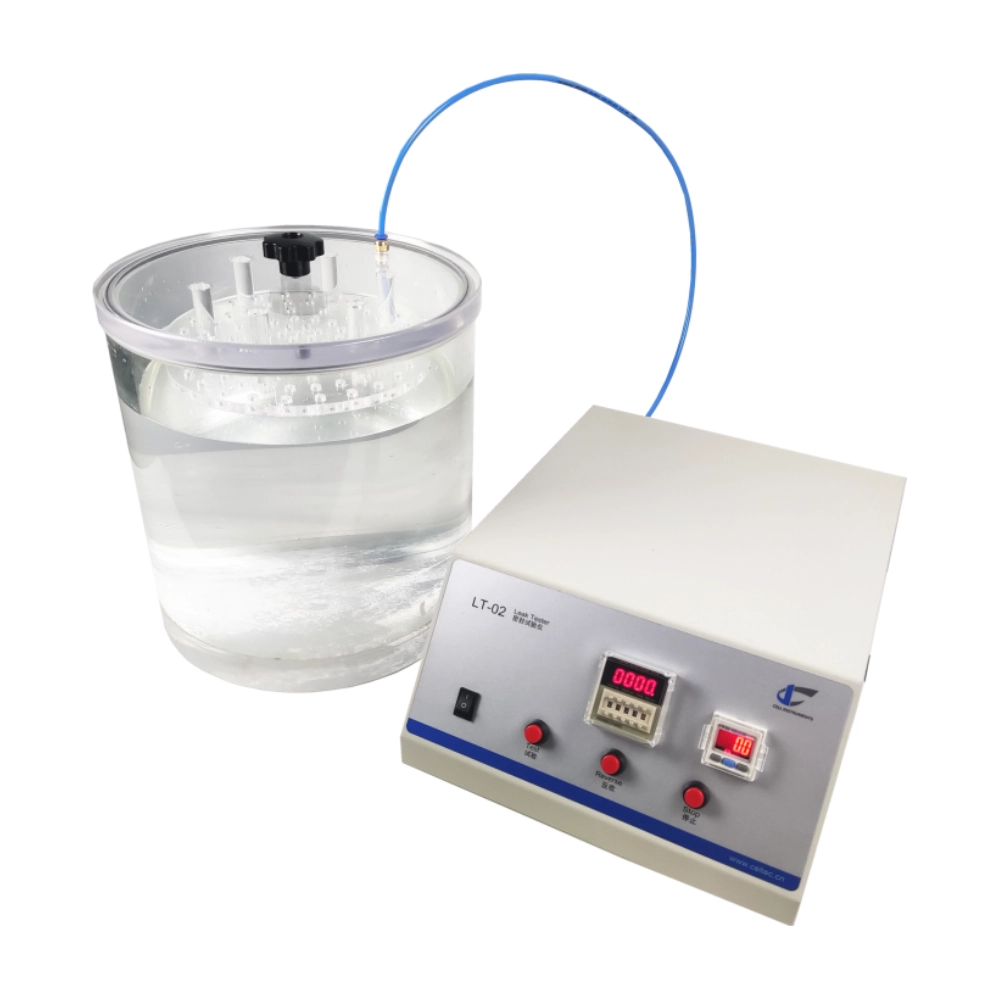
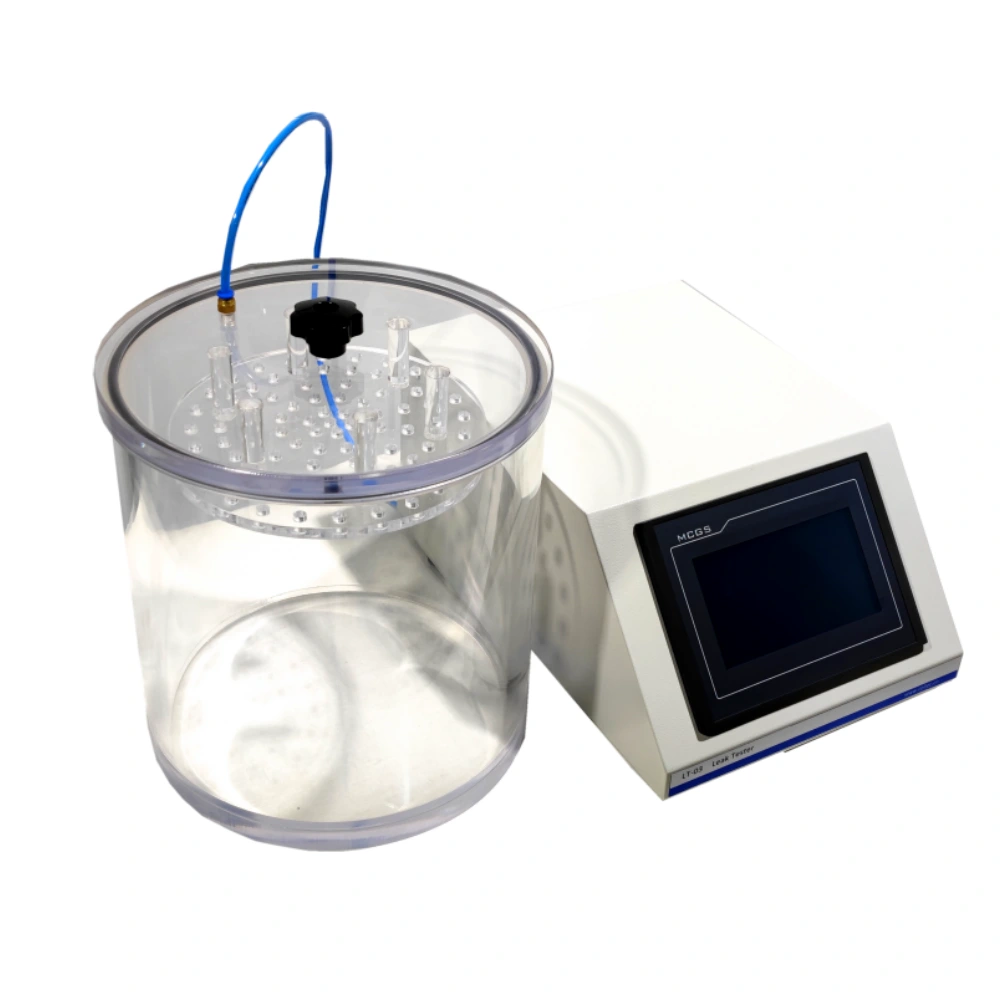
Our Methylene Blue Leak Test Systems, such as the LT-02 Automatic Leak Tester e LT-03 Advanced Leak Tester, are designed specifically for efficient and accurate dye penetration testing. These systems feature:

  • Stable Control: Logic and PLC controller for precision in operation.
  • User-Friendly Interfaces: Intuitive touch screen or panel simplify the testing process.
  • Automated Processes: Reduce human error and enhance throughput.

Applications & Industries

The Methylene Blue Leak Test Method is widely used across various industries, including:

Ensuring the integrity of sterile packaging to prevent contamination.

Protecting against spoilage and ensuring safety through leak detection.

Verifying the effctiveness of packaging in maintaining product quality.

Testing packaging to ensure that medical products remain secure during transport and storage.

Comparison with Bubble Leak Test Method​

While both the Methylene Blue Leak Test Method and the Bubble Leak Test Method are effective for detecting leaks in packaging, they differ significantly in their approaches and applications. The Methylene Blue method utilizes a liquid tracer, drawing the blue dye into the package to visually indicate leaks, whereas the Bubble method relies on air pressure and the observation of escaping air bubbles to signal the presence of breaches.


A key factor in both methods is the concept of drawing volume: the Methylene Blue test requires the dye to penetrate the package’s interior, which can be influenced by the volume of air being evacuated from the testing chamber. In contrast, the Bubble test focuses on the escape of air, with the volume of air contributing to the detection of leaks through the formation of bubbles. Understanding these nuances is crucial for selecting the appropriate testing method based on the specific packaging requirements and the nature of the products being tested.


Reference Standards

The Methylene Blue Dye Penetration Test adheres to established standards such as ASTM D3078 e USP 1207. These guidelines ensure that the method is applied consistently, yielding reliable results that manufacturers can trust for compliance with industry regulations.

Domande frequenti

1. What distinguishes the Methylene Blue Dye Penetration Test from bubble testing?

The Methylene Blue test focuses on liquid ingress to detect leaks, providing a different approach compared to bubble testing, which relies on air escaping from the package.

2. How does the Methylene Blue leak test enhance packaging safety?

By visualizing dye penetration, this method identifies even the smallest leaks that could compromise product integrity, ensuring compliance with safety standards.

3. Are there specific standards that govern the Methylene Blue leak test?

Yes, it follows standards such as ASTM D3078 and USP 1207 to ensure consistency and reliability in testing.

4. What is the tracer liquid test method?

The tracer liquid test method is a destructive approach used to detect and potentially locate leaks in nonporous, rigid, or flexible packages by submerging them in a tracer liquid, which can indicate leak presence and relative size.

5. How does the tracer liquid test method work?

The method works by submerging test samples in a solution containing a tracer element or in a tracer-free liquid under vacuum conditions. The flow of the tracer through any leaks is monitored to identify leak presence and measure size.

6.When is the tracer liquid test method used?

This method is primarily used in laboratory testing or off-line product sample testing, and can be applied at any phase of a product's life cycle to ensure package integrity.

7. Why is the tracer liquid test method considered destructive?

The method is considered destructive because it requires the test samples to be submerged in liquids, which may compromise their integrity post-testing. This approach is designed for applications where the samples can be sacrificed to ensure accurate results.

8. What factors influence the effectiveness of tracer liquid detection?

The effectiveness of tracer liquid detection can be influenced by several factors, including package material construction, leak path tortuosity, tracer liquid surface tension, and any blockages within the leak path, such as debris or product.

9. How is the presence of a leak verified after testing?

After the vacuum or pressure challenge, the outer surfaces of the test samples are cleaned, and the contents are checked for tracer ingress or egress, which can be quantified through chemical analysis or qualitatively assessed through visual inspection.

10. What equipment is necessary for the tracer liquid test method?

Essential equipment, like Cell Instruments LT-02 and LT-03, includes a test vessel capable of creating vacuum or positive pressure conditions, pressure monitors, controls, and analytical detection instrumentation such as UV-Vis spectrophotometry to accurately detect tracer liquid presence.

Related Reading

LT-03 Tester di tenuta

Il tester di tenuta LT-03 è un dispositivo all'avanguardia progettato per una valutazione rigorosa dell'integrità della tenuta delle confezioni in diversi settori industriali. Questa apparecchiatura è fondamentale per verificare che l'imballaggio mantenga le sue capacità protettive, salvaguardando così la qualità e la sicurezza del prodotto. L'LT-03 è particolarmente adatto per le applicazioni che coinvolgono gli imballaggi flessibili, ma è anche adattabile per testare materiali non flessibili e rigidi grazie al suo design personalizzabile.

Read More »

LT-02 Tester di tenuta

Il LT-02 Tester di tenuta è una soluzione automatica ad alte prestazioni per il test del vuoto, progettata specificamente per rilevare le perdite negli imballaggi flessibili, in particolare nelle applicazioni in cui è presente gas nello spazio di testa. Questa apparecchiatura è comunemente utilizzata nei settori alimentare, delle bevande, farmaceutico e in altri settori in cui l'affidabilità dell'imballaggio è fondamentale per mantenere la qualità del prodotto.

Read More »

ASTM D3078

ASTM D3078 Comprehensive Overview of – The Most Used Package Leak Testing Method Request a Quote Standard Summary ASTM D3078, name as Standard Test Method

Read More »
it_ITIT