


Gross Leak Method
Ensuring Package Integrity: A Deep Dive into the Gross Leak Method (ASTM F2096)
In the world of packaging, ensuring the integrity of your containers is a crucial issue. A leaky package can lead to spoiled products, compromised sterility, and even safety hazards. The Gross Leak Method, also known as ASTM F2096 Bubble Leak Testing, is a standardized way to identify these larger breaches in packaging.
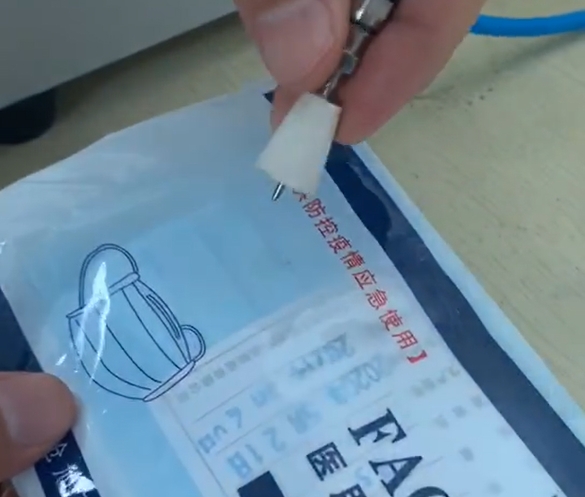
What is ASTM F2096?
ASTM F2096 is a test method developed by ASTM International, a globally recognized leader in setting industry standards. This specific standard focuses on detecting gross leaks in packaging, primarily targeting pouches and flexible packaging materials commonly used for food, beverages, and medical devices.
How Does the Gross Leak Method Work?
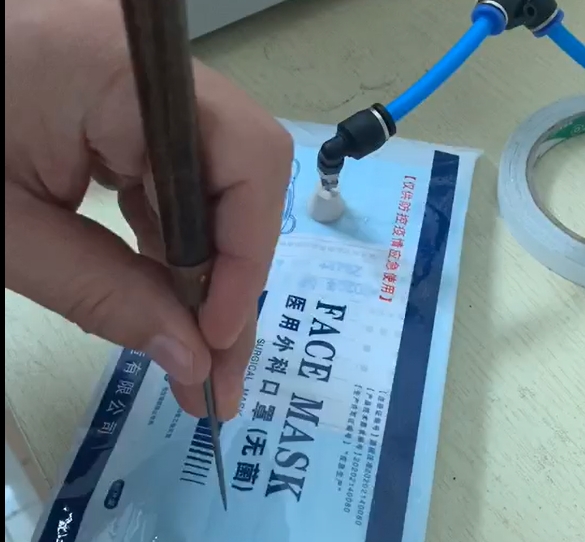
The Gross Leak Method is a relatively simple yet effective way to identify larger leaks. Here’s a breakdown of the process:
- Submerge: The sealed package is submerged in water, typically at least one inch deep.
- Pressurize: Controlled, low-pressure air is introduced into the packaging.
- Inspect: The package is closely monitored for any signs of escaping air bubbles.
A steady stream of bubbles emanating from a specific location indicates a leak and a breach in the packaging’s integrity.
Benefits of the Gross Leak Method:
- Simple and cost-effective: The test requires minimal equipment and can be performed quickly.
- Non-destructive for some materials: For certain non-porous materials, the test can be conducted without damaging the packaging (method A in ASTM F2096).
- Sensitivity: The method can detect leaks as small as 250 micrometers.
- Versatility: Applicable to a wide range of package shapes and sizes, especially those that might not fit into other testing equipment.
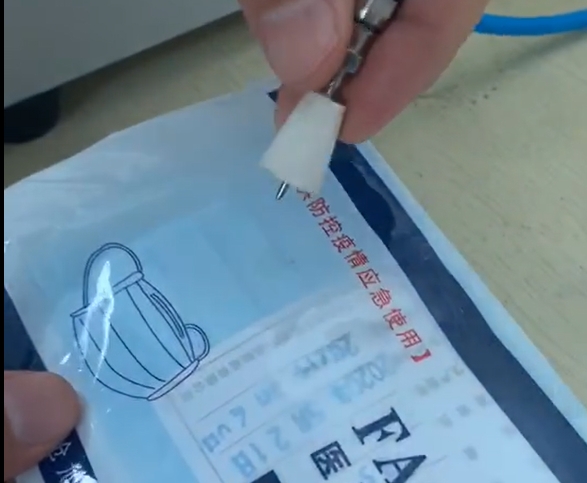
Limitations of the Gross Leak Method:
- Destructive for porous materials: Porous materials like Tyvek require a pre-saturation step (method B) which damages the packaging.
- Doesn’t detect pinholes: The method is limited to identifying larger leaks, and smaller pinhole breaches might go undetected.
- Not suitable for all materials: ASTM F2096 is not recommended for highly porous materials or those with inherent breathability.
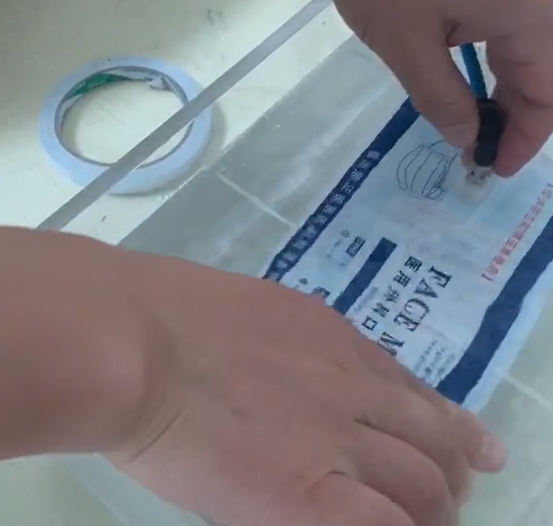
Beyond the Gross Leak Method:
The Gross Leak Method is a valuable tool for initial packaging integrity testing, but it’s important to consider other methods for a more comprehensive evaluation. Some alternatives include pressure decay testing, electrical conductivity testing, and tracer gas methods.
Optimizing your Packaging Integrity Testing
Choosing the right leak detection method depends on your specific packaging materials, application, and the size of leaks you’re concerned about. For instance, sterile barrier integrity testing for medical devices might require additional methods alongside ASTM F2096.
By understanding the Gross Leak Method (ASTM F2096) and its limitations, you can ensure you have the right tools in place to safeguard your packaged products and maintain the highest quality standards.
-
Pressure Decay Leak Test Equipment for Package Integrity
In modern quality control, pressure decay leak test equipment plays a crucial role in ensuring the integrity of sealed packages across medical, pharmaceutical, and packaging industries. Manufacturers rely on accurate leak detection methods to prevent contamination, maintain sterility, and guarantee product safety. A well-designed pressure decay leak test equipment system enables non-destructive testing, fast inspection…
-
Understanding the Positive Pressure Leak Test: Burst Pressure Test Standards and More
The positive pressure leak test is an essential quality control procedure for evaluating the integrity of various packaging materials, including those used in the pharmaceutical and food industries. The test involves applying an internal pressure to a package and monitoring it until the package bursts. This process helps to determine the burst pressure and ensures…
-
Water Immersion Leak Test for Rigid Containers ASTM D4991 Bubble Leak Test
The Water Immersion Leak Test is a critical procedure used to evaluate the integrity of rigid containers, especially those intended for the transportation of hazardous liquids. This test is conducted in accordance with ASTM D4991 and provides an effective method to ensure that containers do not leak under differential pressure conditions, such as those experienced…
 BG
BG  CS
CS  DA
DA  EL
EL  ET
ET  FI
FI  HU
HU  IT
IT  LT
LT  LV
LV  NB
NB  NL
NL  PL
PL  PT
PT  RO
RO  SK
SK  SL
SL  SV
SV  TR
TR  UK
UK  EN
EN  VI
VI  TH
TH  AZ
AZ  BE
BE  BN
BN  BS
BS  CA
CA  FA
FA  HE
HE  HI
HI  HR
HR  HY
HY  JV
JV  KK
KK  SQ
SQ  SR
SR  AF
AF  CY
CY  AS
AS  CEB
CEB  DZ
DZ  EU
EU  KA
KA  SI
SI  TL
TL  SW
SW  PS
PS