


Metoda velikog curenja
Osiguravanje integriteta paketa: Duboko uronjenje u metodu velikog curenja (ASTM F2096)
U svijetu ambalaže, osiguranje integriteta vaših kontejnera je ključno pitanje. Pakovanje koje curi može dovesti do pokvarenih proizvoda, ugrožene sterilnosti, pa čak i opasnosti po sigurnost. Metoda grubog curenja, poznata i kao ASTM F2096 ispitivanje curenja mjehurićima, je standardizirani način da se identifikuju ove veće pukotine na ambalaži.
Šta je ASTM F2096?
ASTM F2096 je metoda ispitivanja koju je razvio ASTM International, globalno priznati lider u postavljanju industrijskih standarda. Ovaj specifični standard se fokusira na otkrivanje velika curenja u ambalaži, prvenstveno za vrećice i fleksibilne materijale za pakovanje koji se obično koriste za hranu, piće i medicinske uređaje.
Kako funkcioniše metoda velikog curenja?
Metoda velikog curenja je relativno jednostavan, ali efikasan način za identifikaciju većih curenja. Evo raščlambe procesa:
- Potopiti: Zapečaćeno pakovanje je potopljeno u vodu, obično najmanje jedan inč dubine.
- pritisak: Kontrolisani vazduh niskog pritiska se uvodi u ambalažu.
- Pregledajte: Paket se pomno prati da li postoje znakovi mjehurića zraka koji izlaze.
Stalni mlaz mjehurića koji izviru sa određene lokacije ukazuje na curenje i kršenje integriteta ambalaže.
Prednosti metode velikog curenja:
- Jednostavno i isplativo: Test zahtijeva minimalnu opremu i može se izvesti brzo.
- Nedestruktivno za neke materijale: Za određene neporozne materijale, ispitivanje se može provesti bez oštećenja ambalaže (metoda A u ASTM F2096).
- Osjetljivost: Metoda može otkriti curenja do 250 mikrometara.
- Svestranost: Primjenjivo na širok raspon oblika i veličina pakovanja, posebno onih koji se možda ne uklapaju u drugu opremu za testiranje.
Ograničenja metode velikog curenja:
- Destruktivno za porozne materijale: Porozni materijali poput Tyveka zahtijevaju korak prethodnog zasićenja (metoda B) koji oštećuje ambalažu.
- Ne otkriva rupice: Metoda je ograničena na identifikaciju većih curenja, a manja proboja na rupama mogu ostati neotkrivena.
- Nije prikladno za sve materijale: ASTM F2096 se ne preporučuje za visoko porozne materijale ili one sa inherentnom prozračnošću.
Izvan metode velikog curenja:
Metoda velikog curenja je vrijedan alat za početno testiranje integriteta pakovanja, ali je važno razmotriti druge metode za sveobuhvatniju procjenu. Neke alternative uključuju ispitivanje opadanja pritiska, ispitivanje električne provodljivosti i metode praćenja gasa.
Optimiziranje vašeg testiranja integriteta ambalaže
Odabir odgovarajuće metode otkrivanja curenja ovisi o vašem specifičnom materijalu za pakovanje, primjeni i veličini curenja koja vas brine. Na primjer, testiranje integriteta sterilne barijere za medicinske uređaje može zahtijevati dodatne metode uz ASTM F2096.
Razumijevanjem metode velikog curenja (ASTM F2096) i njenih ograničenja, možete osigurati da imate prave alate za zaštitu vaših upakovanih proizvoda i održavanje najviših standarda kvaliteta.
-
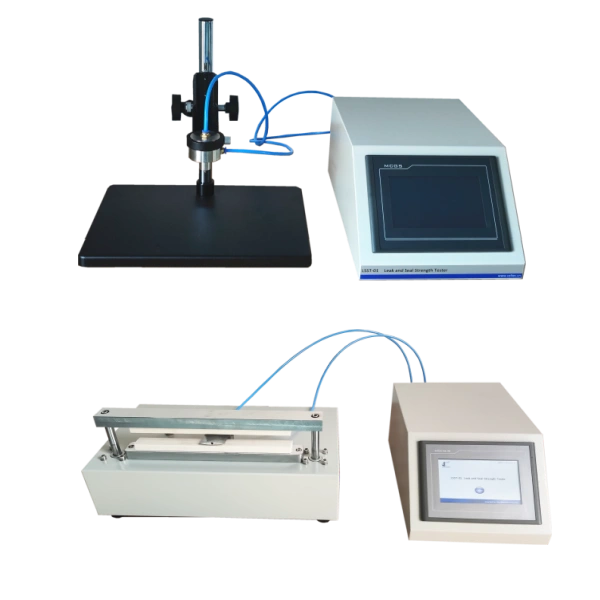
Leak and Seal Strength Tester for Pressure Decay Method

Overview of Leak and Seal Strength Tester Package integrity plays a critical role in protecting products throughout storage, transportation, and distribution. The leak and seal strength tester is designed to evaluate the sealing performance and structural integrity of flexible and rigid packages by using internal pressurization and pressure decay testing methods. This testing approach helps…
-
Oprema za test curenja usisavanjem zraka za integritet pakovanja
U savremenoj kontroli kvaliteta, oprema za test curenja padom pritiska igra ključnu ulogu u osiguravanju integriteta zapečaćenih pakovanja u medicinskoj, farmaceutskoj i ambalažnoj industriji. Proizvođači se oslanjaju na precizne metode otkrivanja curenja kako bi spriječili kontaminaciju, održali sterilnost i garantovali sigurnost proizvoda. Dobro osmišljen sistem opreme za test curenja padom pritiska omogućava nedeструктивно ispitivanje, brzu inspekciju…
-
Razumijevanje testa curenja pozitivnog pritiska: standardi za test pritiska pucanja i još mnogo toga
Test curenja pri pozitivnom pritisku je ključni postupak kontrole kvaliteta za procjenu integriteta različitih materijala za pakovanje, uključujući one koji se koriste u farmaceutskoj i prehrambenoj industriji. Test podrazumijeva primjenu unutrašnjeg pritiska na pakovanje i njegovo praćenje sve dok pakovanje ne pukne. Ovaj proces pomaže u određivanju pritiska pucanja i osigurava…
 EN_GB
EN_GB  BG
BG  CS
CS  DA
DA  EL
EL  ET
ET  FI
FI  HU
HU  IT
IT  LT
LT  LV
LV  NB
NB  NL
NL  PL
PL  PT
PT  RO
RO  SK
SK  SL
SL  SV
SV  TR
TR  UK
UK  EN
EN  VI
VI  TH
TH  AZ
AZ  BE
BE  BN
BN  CA
CA  FA
FA  HE
HE  HI
HI  HR
HR  HY
HY  JV
JV  KK
KK  SQ
SQ  SR
SR  AF
AF  CY
CY  AS
AS  CEB
CEB  DZ
DZ  EU
EU  KA
KA  SI
SI  TL
TL  SW
SW  PS
PS