


Säiliön vuototestaus on kriittinen laadunvalvontatoimi jäykkien pakkausten valmistajille ja käyttäjille erityisesti silloin, kun säiliöitä käytetään nesteiden, kemikaalien tai vaarallisten aineiden kuljetukseen. Vaikka säiliöt lähetettäisiin tyhjinä, rakenteelliset viat tai vääränlaiset sulkimet voivat aiheuttaa vuotoriskin, kun paine-eroja esiintyy ilmakuljetuksen tai varastoinnin aikana. Tästä syystä standardoiduista vuototestausmenetelmistä on tullut olennainen osa pakkausten validointia ja säännösten noudattamista.
Cell Instruments on jo pitkään keskittynyt pakkausmateriaalien testaukseen ja säiliöiden eheyden arviointiin. Yhdistämällä ammattimaisen vuototestausteknologian räätälöinti- ja automaatio-ominaisuuksiin autamme käyttäjiä luomaan luotettavia ja toistettavia säiliöiden testausprosesseja useilla eri teollisuudenaloilla.
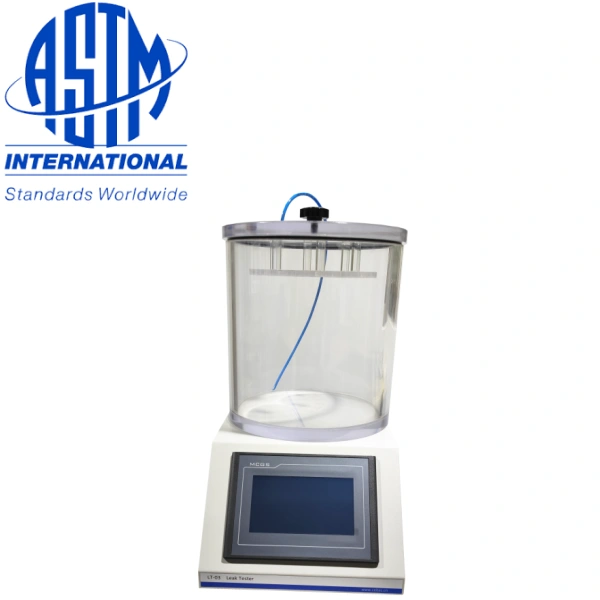
Säiliön vuototestaus ASTM D4991:n mukaisesti
ASTM D4991 on laajalti tunnustettu standardi, jossa määritellään tyhjiöön perustuva menetelmä tyhjien jäykkien säiliöiden eheyden arvioimiseksi. Standardissa keskitytään tyhjä säiliö paineenalaista kestävyyttä varten, simuloimalla paine-eroja, joita voi esiintyä ilmakuljetuksen aikana.
Toisin kuin täytettyjen pakkausten testit, ASTM D4991 kohdistuu erityisesti säiliöihin ennen täyttöä. Tämän lähestymistavan ansiosta valmistajat voivat havaita rakenteelliset tai sulkemiseen liittyvät heikkoudet tuotannon alkuvaiheessa, mikä vähentää tuotantoketjun loppupään riskejä ja kustannuksia. Menetelmää sovelletaan jäykkiin säiliöihin, jotka on tarkoitettu tiettyjen nesteiden kuljettamiseen YK:n TDG- ja ICAO-vaatimusten mukaisesti.
Laadun näkökulmasta ASTM D4991 tarjoaa käytännöllisen ja standardoidun kehyksen, jonka avulla voidaan tyhjien jäykkien säiliöiden eheyden arviointi muuttamatta säiliön rakennetta tai sulkemiskokoonpanoa.
Miksi säiliöiden vuototestaus on tärkeää todellisissa sovelluksissa
Paine-erot voivat helposti nousta korkeiksi ilmakuljetuksen aikana. Kun tyhjä jäykkä säiliö pettää tyhjiöolosuhteissa, vuotoja voi esiintyä myöhemmin, kun säiliö täytetään ja suljetaan. Tämä tekee Säiliön vuototestaus pikemminkin tärkeä ennaltaehkäisevä kuin korjaava toimenpide.
Säiliöiden vuototestaus käsittelee muun muassa seuraavia keskeisiä riskejä:
- Säiliön seinämien havaitsemattomat mikroviat
- Virheellinen sulkeminen tai vääntömomentti
- Valun tai muotoilun aiheuttamat materiaalin epäjohdonmukaisuudet
- Vaarallisten nesteiden kuljetusten turvallisuusmarginaalien pienentäminen
Tunnistamalla vuotokohdat varhaisessa vaiheessa valmistajat voivat parantaa konttien luotettavuutta ja täyttää samalla kansainväliset kuljetusmääräykset.
Jäykän pullon tyhjiötesti selitetty tyhjiövuototesti
The tyhjiö vuototesti jäykälle pullolle kuvattu ASTM D4991 käytetään läpinäkyvää kammiota, joka on täytetty glykoli-vesiliuoksella. Testauksen aikana tyhjä säiliö upotetaan kokonaan ja altistetaan asteittain kasvavalle alipaineelle.
Paineen laskiessa säiliön sisälle jäänyt ilma yrittää päästä ulos. Jatkuva kuplien virta tai toistuva kuplien peräkkäisyys on selvä osoitus vuodosta., kun taas yksittäisiä pintailman aiheuttamia kuplia ei lasketa epäonnistumiseksi. Tyhjiöaltistuksen jälkeen säiliö palautetaan ympäristön paineeseen ja tarkastetaan, ettei testineste pääse sisään.
Tällä menetelmällä on useita etuja:
- Suora visuaalinen vahvistus vuodosta
- Säiliötä tai sulkua ei tarvitse muuttaa
- Soveltuu monenlaisille jäykille materiaaleille.
- Suuri merkitys todellisille liikenneolosuhteille
Laadunvalvontahenkilöstölle tämä tyhjiölähestymistapa tarjoaa selkeän ja intuitiivisen tavan tarkistaa säiliön eheys.
Tyhjien jäykkien konttien eheyden arviointi
Tyhjien jäykkien säiliöiden eheyden arviointi vaatii enemmän kuin pelkän hyväksytty/hylätty -arvioinnin. ASTM D4991 auttaa määrittämään painetason, jolla vuoto alkaa, ja tarjoaa arvokasta tietoa säiliön suorituskyvyn rajoista.
Testaukseen sisältyy yleensä useita tuotannosta otettuja näytteitä edustavien tulosten varmistamiseksi. Säiliöt on suljettava täsmälleen samalla tavalla kuin ne suljetaan lähetystä varten, käyttäen samaa vääntömomenttia tai sulkemismenetelmää. Näin varmistetaan, että testitulokset vastaavat todellisia käyttöolosuhteita.
Yhdistettynä tilastolliseen analyysiin vuototestitiedot voivat tukea:
- Pakkaussuunnittelun optimointi
- Sulkimen valinta ja vääntömomentin validointi
- Toimittajan laadun arviointi
- Vaatimustenmukaisuusasiakirjat tarkastuksia varten
Vuototestauslaitteiden rooli ASTM D4991 -standardin noudattamisessa
Tarkka toteuttaminen Säiliön vuototestaus riippuu suuresti testauslaitteiden suorituskyvystä. Ammattikäyttöön tarkoitetun vuototestauslaitteen on tarjottava vakaa alipaineohjaus, selkeä näköyhteys ja luotettava paineenmittaus.
Cell Instruments suunnittelee vuototestausjärjestelmiä, jotka noudattavat ASTM D4991 -periaatteita ja tarjoavat samalla joustavia kokoonpanoja eri säiliökokoja ja testausvaatimuksia varten. Ratkaisumme tukevat:
- Hallittu tyhjiön tuottaminen vaadittuihin paine-eroihin asti
- Läpinäkyvät testikammiot selkeää havainnointia varten
- Vakaat kiinnikkeet, jotka varmistavat säiliön toistettavan sijoittelun.
- Vaihtoehdot puoliautomaattisiin ja automatisoituihin testaustyönkulkuihin
Nämä ominaisuudet auttavat laboratorioita ja valmistajia saavuttamaan johdonmukaisia, auditoitavia tuloksia, joissa käyttäjän vaihtelu on mahdollisimman vähäistä.
Toimialat, jotka hyötyvät konttien tiiviystestauksesta
Säiliöiden vuototestaus on elintärkeää useilla teollisuudenaloilla, kuten:
- Kemikaalien ja vaarallisten aineiden pakkaukset
- Farmaseuttiset ja lääketieteelliset pakkauskomponentit
- Elintarvikkeiden ja juomien jäykät säiliöt
- Kemikaalien ja teollisten nesteiden päivittäiset pakkaukset
- Laadunvalvonta- ja sertifiointilaitokset
Maailmanlaajuiseen logistiikkaan osallistuville yrityksille ASTM D4991 -standardin noudattaminen vahvistaa luottamusta pakkausten turvallisuuteen ja kuljetusten luotettavuuteen.
Johtopäätös
Säiliöiden vuototestaus on olennainen vaihe jäykkien pakkausjärjestelmien turvallisuuden ja suorituskyvyn varmistamisessa. Noudattamalla ASTM D4991 -standardia valmistajat voivat tehokkaasti varmistaa, että tyhjä säiliö paineenalaista kestävyyttä varten, soveltaa luotettavaa tyhjiö vuototesti jäykälle pullolle, ja tukevat luotettavasti nesteiden kuljetusta vaativissa olosuhteissa.
Cell Instrumentsilla on vahvaa asiantuntemusta pakkausten testauksesta ja materiaalien instrumentoinnista, ja se tarjoaa ammattimaisia vuototestausratkaisuja, jotka auttavat asiakkaita parantamaan laadunvalvontaa, vähentämään riskejä ja täyttämään kansainväliset standardit luotettavasti.
 EN_GB
EN_GB  BG
BG  CS
CS  DA
DA  EL
EL  ET
ET  HU
HU  IT
IT  LT
LT  LV
LV  NB
NB  NL
NL  PL
PL  PT
PT  RO
RO  SK
SK  SL
SL  SV
SV  TR
TR  UK
UK  EN
EN  VI
VI  TH
TH  AZ
AZ  BE
BE  BN
BN  BS
BS  CA
CA  FA
FA  HE
HE  HI
HI  HR
HR  HY
HY  JV
JV  KK
KK  SQ
SQ  SR
SR  AF
AF  CY
CY  AS
AS  CEB
CEB  DZ
DZ  EU
EU  KA
KA  SI
SI  TL
TL  SW
SW  PS
PS