


Iepakojumam ir būtiska nozīme produktu aizsardzībā, jo īpaši tādās nozarēs kā pārtikas, farmācijas un medicīnas ierīces. Lai nodrošinātu iepakojuma materiālu hermētiskumu un necaurlaidību, ir ļoti svarīgi saglabāt tajos esošo produktu kvalitāti un drošību. Viena no visdrošākajām metodēm noplūžu noteikšanai iepakojumā ir Iepakojuma noplūdes burbuļu tests, kurā izmanto vakuumu un iegremdēšanu šķidrumā, lai noteiktu noplūdes elastīgajā iepakojumā. Šajā rakstā tiks pētīta Iepakojuma noplūdes burbuļu tests, loma burbuļu emisijas testi, un kā tiek ievēroti tādi standarti kā ASTM D3078 un vakuuma noplūdes testeri tiek izmantoti, lai saglabātu iepakojuma kvalitāti.
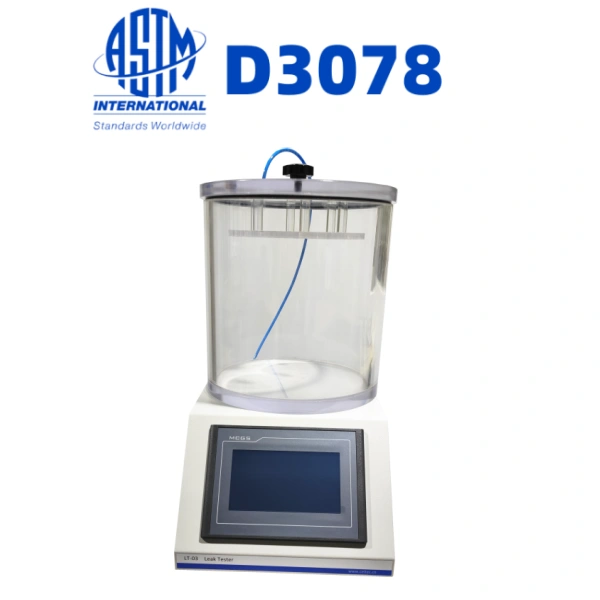
Burbuļu emisijas testi: Uzticama noplūdes noteikšanas metode
The Burbuļu emisijas tests ir viens no efektīvākajiem paņēmieniem, kā atklāt rupjas noplūdes elastīgā iepakojumā. Šīs metodes pamatā ir testa parauga iegremdēšana ar šķidrumu piepildītā kamerā un vakuuma radīšana, lai novērotu no iepakojuma izdalījušos burbuļus. Noplūdes gadījumā no iepakojuma izplūst gaiss, izraisot burbuļu veidošanos šķidrumā, kas ļauj viegli noteikt noplūdes vietu.
Šis tests ir īpaši noderīgs lielāku noplūžu atklāšanai, nodrošinot, ka iepakojums paliek hermētisks tipiskos lietošanas apstākļos. Tomēr, izmantojot šo metodi, ne vienmēr var atklāt nelielas noplūdes, jo īpaši, ja iepakojums ir ļoti elastīgs vai materiāla iekšpusē ir iesprostots gaiss.
ASTM D3078: Standarta testa metode noplūdes noteikšanai
ASTM D3078 ir plaši atzīts standarts, kas nosaka procedūru noplūžu noteikšanai elastīgā iepakojumā, izmantojot Burbuļu emisijas tests metode. Šajā standartā ir aprakstīti nosacījumi, kādos jāveic iepakojuma materiālu testēšana, testā izmantojamais šķidrums un ieteicamie vakuuma līmeņi optimālai jutībai.
Izmantojot šo metodi, vakuuma kamerā tiek radīta spiediena starpība, kas palīdz atklāt noplūdes iepakojumā. Kamerā lēnām tiek pielikts vakuums, un paraugs tiek novērots, vai tajā parādās burbuļi. Ar šo testu var atklāt noplūdes, kas ir mazākas par 1 × 10-⁵ atm cm³/s (1 × 10-⁶ Pa m³/s), atkarībā no noplūdes lieluma un testējamā materiāla. Testa procedūra ir izstrādāta tā, lai imitētu reālos apstākļus un nodrošinātu, ka iepakojuma materiāli var izturēt pārkraušanas un transportēšanas slodzi.
Vakuuma noplūdes testeri: Nozīmīgi instrumenti noplūžu atklāšanai
Lai veiktu efektīvu Iepakojuma noplūdes burbuļu tests, a vakuuma noplūdes testeris ir nepieciešams. Šī ierīce ir izstrādāta, lai iepakojuma materiāliem piemērotu kontrolētu vakuumu, imitējot spiediena apstākļus, ar kādiem iepakojums saskarsies faktiskās lietošanas laikā. Tā palīdz noteikt iepakojuma vājās vietas, kas var izraisīt piesārņojumu, bojāšanos vai produkta integritātes zudumu.
The vakuuma noplūdes testeris ir īpaši noderīga, lai novērtētu elastīgu iepakojumu, kas satur gāzi, kura atrodas augšējā telpā. Piemērojot iepakojumam vakuumu un novērojot, vai no materiāla neizplūst gaiss, ražotāji var atklāt iespējamās noplūdes, pirms iepakojums tiek piegādāts patērētājiem. Tādējādi tiek nodrošināts, ka produkti paliek droši un nepiesārņoti.
Vakuuma kameras loma iepakojuma noplūdes noteikšanā
Vakuuma kamerai ir izšķiroša nozīme. Iepakojuma noplūdes burbuļu tests. Paraugu iegremdē šķidrumā vakuuma kamerā, un, lai radītu vajadzīgo spiediena starpību, tiek piemērots vakuums. Vakuuma mērītājs ļauj testētājam uzraudzīt spiediena līmeni un noteikt, kad vakuums sasniedz vēlamo līmeni. Kameras caurspīdīgais vāks ļauj viegli novērot burbuļus, kas veidojas, tādējādi ļaujot testētājam precīzi noteikt noplūdes vietu.
Lai iegūtu precīzus rezultātus, ir svarīgi izmantot šķidrumu ar zemu virsmas spraigumu, piemēram, ūdeni vai denaturēto spirtu, jo tas palielina testa jutību. Paraugs jānovēro arī vakuuma paaugstināšanas laikā, lai nodrošinātu, ka tests tiek veikts pareizos apstākļos.
Iepakojuma noplūdes burbuļu tests kvalitātes nodrošināšanai
The Iepakojuma noplūdes burbuļu tests ir būtiski, lai saglabātu augstas kvalitātes iepakojuma standartus. Izmantojot burbuļu emisijas testi un ievērojot tādus standartus kā ASTM D3078, ražotāji var nodrošināt, ka to iepakojums atbilst nepieciešamajiem noplūdes noturības kritērijiem. Šī testa metode palīdz atklāt un novērst iepakojuma materiālu defektus, kas varētu apdraudēt iepakojumā esošo produktu drošību un integritāti.
Papildus noplūžu atklāšanai Iepakojuma noplūdes burbuļu tests arī palīdz nodrošināt, ka iepakojuma materiāli ir pietiekami izturīgi, lai izturētu pārkraušanu, transportēšanu un uzglabāšanu. Tas padara to par būtisku kvalitātes nodrošināšanas līdzekli nozarēs, kurās iepakojumam ir izšķiroša nozīme produktu drošībā, piemēram, pārtikas, farmācijas un medicīnas ierīču nozarē.
Secinājums
The Iepakojuma noplūdes burbuļu tests ir neaizstājama metode noplūžu noteikšanai elastīgā iepakojumā. Izmantojot burbuļu emisijas testi, vakuuma noplūdes testeri, un pēc tam ASTM D3078, ražotāji var nodrošināt, ka to iepakojuma materiāli ir hermētiski un spēj aizsargāt tajos ievietotos produktus. Šī testēšanas metode ir ļoti svarīga, lai saglabātu produktu kvalitāti un drošību, tāpēc tā ir būtiska jebkura iepakojuma kvalitātes nodrošināšanas procesa sastāvdaļa.
Ja meklējat uzticamu un efektīvu noplūžu noteikšanu, varat izmantot ierīci Šūnu instrumentu noplūdes testeris ir lieliska izvēle. Tas nodrošina precīzus rezultātus un ir izstrādāts atbilstoši iepakojuma noplūdes testēšanas nozares standartiem, palīdzot nodrošināt visaugstāko kvalitātes kontroli ražošanas procesos.
 EN_GB
EN_GB  BG
BG  CS
CS  DA
DA  EL
EL  ET
ET  FI
FI  HU
HU  IT
IT  LT
LT  NB
NB  NL
NL  PL
PL  PT
PT  RO
RO  SK
SK  SL
SL  SV
SV  TR
TR  UK
UK  EN
EN  VI
VI  TH
TH  AZ
AZ  BE
BE  BN
BN  BS
BS  CA
CA  FA
FA  HE
HE  HI
HI  HR
HR  HY
HY  JV
JV  KK
KK  SQ
SQ  SR
SR  AF
AF  CY
CY  AS
AS  CEB
CEB  DZ
DZ  EU
EU  KA
KA  SI
SI  TL
TL  SW
SW  PS
PS