


Tester vákuového rozpadu pre moderné testovanie integrity obalu
A tester vákuového rozpadu zohráva ústrednú úlohu v nedeštruktívnom testovaní integrity obalov vo farmaceutickom priemysle, v oblasti zdravotníckych pomôcok, potravín a nápojov. Monitorovaním zmien tlaku v uzavretej skúšobnej komore táto technológia zisťuje netesnosti bez poškodenia obalu alebo zavedenia sledovacích médií. Keďže očakávania regulačných orgánov sa neustále zvyšujú, testovanie vákuového rozpadu sa stalo preferovanou metódou rutinnej kontroly kvality, validácie a optimalizácie procesov.
V spoločnosti Cell Instruments je testovanie vákuového rozkladu v súlade s naším dlhodobým zameraním na obalové materiály, pevné obaly a prispôsobené automatizačné riešenia. Metóda ponúka rýchlosť, citlivosť a opakovateľnosť, vďaka čomu je vhodná na laboratórne vyhodnocovanie aj na sledovanie výroby na linke.
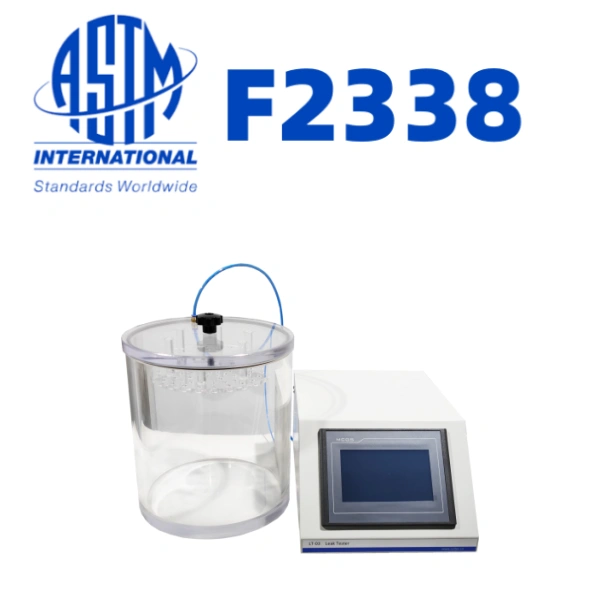
ASTM F2338 a vedecké základy vákuového rozpadu
Norma ASTM F2338 pre nedeštruktívne zisťovanie netesností
ASTM F2338 definuje štandardnú skúšobnú metódu na nedeštruktívne zisťovanie netesností v obaloch pomocou metódy vákuového rozkladu. Pri tejto metóde sa obal umiestni do uzavretej komory, kde sa aplikuje vákuum a potom sa izoluje. Snímač tlaku s vysokým rozlíšením sleduje zmeny tlaku v komore v priebehu času.
Akékoľvek zvýšenie tlaku, známe ako rozpad vákua, naznačuje, že plyn alebo para migruje z priestoru nad obalom cestou netesnosti. Keďže táto metóda sa spolieha len na meranie tlaku, zostáva neinvazívne, nedeštruktívne a vysoko opakovateľné, ktorý podporuje dodržiavanie predpisov a integritu údajov.
Citlivosť testovania podľa normy ASTM F2338 závisí od viacerých faktorov vrátane rozlíšenia senzora, času testovania, objemu komory a konštrukcie obalu. Menšie objemy dutín a dlhšie trvanie testov zlepšujú schopnosť detekovať mikrotesnosti.
Ako funguje vákuový tester rozkladu v praxi
Typický tester rozkladu vákua pozostáva zo skúšobnej komory, zdroja vákua a presných snímačov tlaku. Počas skúšobného cyklu:
- Komora dosiahne vopred definovanú úroveň vákua
- Systém izoluje komoru od zdroja vákua
- Zmeny tlaku sa monitorujú v definovanom časovom okne
Tento tlakový profil odlišuje skutočné úniky od hluku v pozadí spôsobeného odplynením materiálu alebo zvyškovým zachyteným vzduchom. Pokročilé prístroje minimalizujú objem systému a hluk, aby sa zvýšila schopnosť detekcie.
V prípade pevných obalov, ako sú fľaše a fľaštičky, poskytuje testovanie rozpadu vo vákuu stabilné a interpretovateľné výsledky, najmä v porovnaní s vizuálnymi alebo deštruktívnymi metódami.
Aplikácie a postupy testovania tesnosti fliaš
A tester tesnosti fliaš na základe technológie vákuového rozkladu overuje neporušenosť tesnenia sklenených a plastových fliaš používaných na výrobu liekov, nápojov a chemikálií dennej potreby. Na stránke . postup skúšky tesnosti fliaš zvyčajne zahŕňa bezpečné uloženie fľaše v prispôsobenej komore, aby sa obmedzil prebytočný objem vzduchu.
Správna konštrukcia komory zabezpečuje, že zmeny tlaku pochádzajú skôr z netesnosti obalu než z artefaktov systému. Tento prístup podporuje vývojové testovanie aj štatistické vzorkovanie počas výroby. Keďže fľaše často obsahujú plyn v priestore nad hlavou, testovanie rozpadu vákua poskytuje priamy a citlivý ukazovateľ výkonnosti tesnenia.
Postup skúšky tesnosti injekčných liekoviek vo farmaceutických obaloch
The postup skúšky tesnosti fľaštičky predstavuje jedinečné výzvy vzhľadom na menšie vnútorné objemy a prísnejšie regulačné požiadavky. Testovanie vákuového rozpadu spĺňa tieto požiadavky tým, že zisťuje extrémne malé zmeny tlaku spojené s mikrotesnosťami.
Pri testovaní fľaštičiek obsahujúcich kvapalinu musí aplikované vákuum klesnúť pod tlak pár kvapaliny, aby sa umožnil pohyb plynu cez netesnosť. Norma ASTM F2338 sa zaoberá touto podmienkou a vysvetľuje, ako skúšobné parametre ovplyvňujú citlivosť. Pri správnej optimalizácii poskytuje vákuový tester rozpadu konzistentné a spoľahlivé výsledky pri kontrole farmaceutických liekoviek.
Kľúčové výhody testovania vákuového rozpadu
Testovanie rozpadu vo vákuu je obzvlášť cenné vďaka niekoľkým vlastnostiam:
- Nedeštruktívne hodnotenie, konzervovanie testovaných vzoriek
- Rýchle testovacie cykly, vhodné pre výrobné prostredie
- Vysoká citlivosť, ktorý dokáže odhaliť mikrotrhliny
- Žiadny spotrebný materiál, na rozdiel od metód založených na farbivách alebo plynoch
Tieto výhody umožňujú výrobcom znížiť množstvo odpadu a zároveň zvýšiť dôveru v integritu obalu.
Návrh zariadenia a úvahy o citlivosti
Výkonnosť vákuového testera rozkladu do značnej miery závisí od konštrukcie systému. Vysoko presné absolútne alebo diferenčné snímače tlaku zlepšujú rozlíšenie. Minimalizácia objemu vnútorných hadičiek a zabezpečenie tesného utesnenia komory ďalej zvyšuje citlivosť.
Spoločnosť Cell Instruments navrhuje vákuové testery rozpadu s optimalizovanou geometriou komory a pokročilou technológiou snímačov na podporu širokej škály formátov obalov. Voliteľné volumetrické merače prietoku vzduchu umožňujú rutinné overovanie citlivosti v súlade s odporúčaniami normy ASTM F2338.
Podpora kontroly kvality a optimalizácie procesov
Okrem kontroly vyhovuje/nevyhovuje slúži testovanie vákuového rozpadu ako výkonný nástroj na vývoj procesov. Inžinieri používajú údaje o rozpade tlaku na porovnanie parametrov tesnenia, materiálov a konštrukcií obalov. Tieto informácie časom podporujú neustále zlepšovanie a znižovanie rizík.
Keďže táto metóda funguje bez poškodenia obalu, je vhodná aj na validačné štúdie a pravidelné audity vyžadované agentúrami na kontrolu kvality.
Záver
A tester vákuového rozpadu ponúka spoľahlivé, na normách založené riešenie na detekciu netesností vo fľašiach a fľaštičkách. Riadi sa ASTM F2338, táto metóda spája nedeštruktívne testovanie s vysokou citlivosťou a prevádzkovou účinnosťou. Technológia vákuového rozkladu podporuje moderné stratégie zabezpečenia kvality, od aplikácií testerov tesnosti fliaš až po vývoj validovaných postupov testovania tesnosti fľaštičiek.
S preukázanými odbornými znalosťami v oblasti testovania obalov a materiálov, Cell Instruments poskytuje riešenia na testovanie vákuového rozkladu, ktoré pomáhajú výrobcom dosiahnuť konzistentnú zhodu, chrániť integritu výrobkov a posilniť dôveru v celom dodávateľskom reťazci.
 EN_GB
EN_GB  BG
BG  CS
CS  DA
DA  EL
EL  ET
ET  FI
FI  HU
HU  IT
IT  LT
LT  LV
LV  NB
NB  NL
NL  PL
PL  PT
PT  RO
RO  SL
SL  SV
SV  TR
TR  UK
UK