

USP 381

Elastomeric Closure for Injections
Self-Sealing Capacity Test

ཚད་ལྡན་གནད་བསྡུས།

USP 381 defines the critical performance requirements for elastomeric closures used in injectable pharmaceutical packaging. These closures—commonly vial stoppers—must maintain container closure integrity (CCI) throughout storage, transport, and repeated needle puncture.

The standard focuses on functional reliability, ensuring closures prevent contamination and leakage while maintaining resealability. For quality control teams, USP 381 serves as a benchmark for validating closure systems under real-world conditions.

USP 381 defines performance requirements for elastomeric closures used in injectable packaging, focusing on integrity, resealability, and resistance to leakage. Key tests include self-sealing after multiple punctures and methylene blue dye ingress under vacuum conditions. These evaluations ensure closures prevent contamination and maintain sterility throughout the product lifecycle. Reliable testing methods, such as vacuum-based leak detection, improve accuracy and compliance, supporting pharmaceutical quality assurance and regulatory approval.

Elastomeric Closures Functionality Test

ཚིག༌ཕྲད elastomeric closures functionality test evaluates whether closures can withstand repeated use without compromising sterility. It includes multiple verification approaches such as:

  • Resistance to needle puncture
  • Ability to reseal after penetration
  • Leak-tight performance under pressure differentials

These tests simulate clinical usage where vials undergo multiple withdrawals. A compliant closure ensures no ingress of contaminants or egress of contents, even after repeated punctures.

Vial Stopper Self Sealing Test

ཚིག༌ཕྲད vial stopper self sealing test is a core component of USP 381. It directly measures the closure’s ability to reseal after multiple punctures.

Test Procedure Overview

  • Fill 10 vials with water to nominal volume
  • Apply closures and seal with caps
  • Pierce each closure 10 times using a new hypodermic needle, varying puncture locations
  • Immerse vials in 0.1% methylene blue solution
  • Apply vacuum (~27 kPa) for 10 minutes
  • Restore pressure and maintain immersion for 30 minutes

Acceptance Criteria

No trace of blue dye inside any vial

This requirement confirms that closures maintain integrity after repeated puncture events.

Elastomeric Closures Integrity Test

ཚིག༌ཕྲད elastomeric closures integrity test verifies that the closure system prevents leakage and contamination under stress conditions.

Common integrity evaluation methods include:

  • སྟོང་ཆའི་ཉམས་རྒུད།
  • Dye ingress
  • བུམ་པའི་ཐོན་སྐྱེད།

Among these, visual vacuum-based methods provide direct and intuitive leak detection, making them widely adopted in QC laboratories.

Vial Elastomeric Closures Seal Strength

ཚིག༌ཕྲད vial elastomeric closures seal strength reflects the closure’s ability to maintain a tight seal under mechanical and pressure stress.

Seal strength depends on:

  • Elastomer formulation and elasticity
  • Compression between stopper and vial finish
  • Crimping quality

A robust seal ensures long-term stability and transport safety, especially for sensitive injectable drugs. Weak sealing may lead to micro-leakage, compromising sterility assurance levels (SAL).

Closure Integrity After Needle Puncture

Closure integrity after needle puncture is a defining requirement in USP 381. Each puncture introduces a potential leak path. Therefore, closures must demonstrate:

  • Elastic recovery after penetration
  • Resistance to tearing or coring
  • Consistent resealing performance

Repeated puncture testing simulates clinical scenarios such as multi-dose vial usage. A failure in this stage indicates a high risk of contamination.

Methylene Blue Leak Test

ཚིག༌ཕྲད methylene blue leak test is a widely recognized method for detecting leakage in vial closure systems.

Principle

A pressure differential forces dye solution into any existing leak paths. If the closure fails, the dye penetrates the vial and becomes visually detectable.

Advantages

  • High sensitivity to micro-leaks
  • Simple visual interpretation
  • Cost-effective and widely standardized
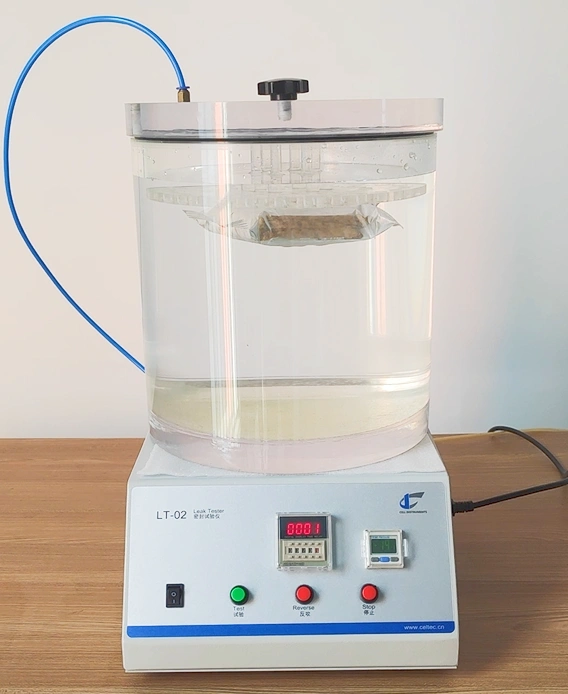
LT-02 Leak Tester for ASTM D4991

Practical Implementation with LT-03

ཚིག༌ཕྲད Cell Instruments LT-03 Leak Tester enhances the methylene blue leak test by providing controlled vacuum conditions and clear visualization.

Key benefits include:

· Stable vacuum generation up to -90 kPa
· Transparent chamber for real-time bubble observation
· PLC-controlled system for repeatable testing
· Customizable chamber sizes for different vial formats
Unlike manual setups, LT-03 ensures consistent test conditions, improving repeatability and compliance with USP 381.

Why USP 381 Testing Matters for Quality Assurance

USP 381 testing ensures that elastomeric closures:

  • Maintain sterility throughout product lifecycle
  • Withstand repeated clinical use
  • Prevent contamination and leakage

For pharmaceutical manufacturers and packaging suppliers, compliance builds regulatory confidence and market trust.

Integrating standardized equipment such as the LT-03 enables:

  • Improved testing efficiency
  • Reduced operator variability
  • Reliable documentation for audits

དྲི་བ།

USP 381 ensures elastomeric closures maintain integrity, resealability, and resistance to leakage in injectable packaging.

Each closure must withstand 10 punctures at different locations without leakage.

Its strong color contrast makes even minor leakage visually detectable.

It can be non-destructive or destructive, depending on test setup and acceptance criteria.

Common causes include poor elastomer elasticity, improper crimping, and material defects.

Looking for reliable USP 381 leak detection equipment?

Ensure your vial closures meet USP 381 standards with reliable and repeatable testing. The LT-03 Leak Tester delivers precise vacuum control and clear visual leak detection, making methylene blue testing more efficient and compliant. Optimize your quality control workflow, reduce variability, and confidently validate closure integrity after needle puncture. Contact Cell Instruments today to upgrade your elastomeric closure testing capabilities.

འབྲེལ་ཡོད་གནས་ཚུལ།

LT-02 ཆུ་འཛག་བརྟག་དཔྱད་འཕྲུལ་ཆས།

ཚིག༌ཕྲད LT-02 ཆུ་འཛག་བརྟག་དཔྱད་འཕྲུལ་ཆས། འདི་ཡང་ དམིགས་བསལ་གྱིས་ མགུ་ཏོ་གི་རླངས་རླུང་ཡོད་སའི་ ལག་ལེན་ཚུ་ནང་ བསྒྱུར་བཅོས་ཅན་གྱི་ཐུམ་སྒྲིལ་ནང་ ཆུ་འཛག་མི་ཚུ་ བརྟག་དཔྱད་འབད་ནི་གི་དོན་ལུ་ བཟོ་བཀོད་འབད་དེ་ཡོད་མི་ རང་བཞིན་གྱི་ གནམ་སྟོང་བརྟག་དཔྱད་ཐབས་ཤེས་ཅིག་ཨིན། འ་ནི་འཕྲུལ་ཆས་འདི་ སྤྱིར་བཏང་ལུ་ བཟའ་འཐུང་དང་ འཐུང་ཆུ་ སྨན་རིགས་ དེ་ལས་ ཐོན་སྐྱེད་ཀྱི་སྤུས་ཚད་བདག་འཛིན་འཐབ་ནི་ལུ་ ཐུམ་སྒྲིལ་གྱི་བློ་གཏད་ཅན་འདི་ ཁག་ཆེ་ཤོས་ཅིག་ཨིན་མི་ བཟོ་གྲྭ་འཕྲུལ་ཁང་ཚུ་ནང་ ལག་ལེན་འཐབ་དོ་ཡོདཔ་ཨིན།

ད་རུང་ལྷག།

LT-03 ཆུ་འཛག་བརྟག་དཔྱད་འཕྲུལ་ཆས།

LT-03 Leak Tester འདི་ བཟོ་གྲྭ་ཁང་མ་འདྲཝ་ཚུ་ནང་ ཐུམ་སྒྲིལ་གྱི་ མཐུན་སྒྲིག་ཚུ་ དམ་དམ་སྦེ་ བརྟག་དཔྱད་འབད་ནི་གི་དོན་ལུ་ བཟོ་བཀོད་འབད་མི་ དེང་སང་གི་ ཅ་ཆས་ཅིག་ཨིན། འ་ནི་འཕྲུལ་ཆས་འདི་ ཐུམ་སྒྲིལ་ཚུ་གིས་ ཉེན་སྲུང་གི་ནུས་པ་ཚུ་ བདག་འཛིན་འཐབ་སྟེ་ཡོདཔ་ཨིན་ན་མེན་ན་ བདེན་དཔྱད་འབད་ནི་ལུ་ ཁག་ཆེ་ཤོས་ཅིག་ཨིནམ་ལས་ ཐོན་སྐྱེད་ཀྱི་སྤུས་ཚད་དང་ ཉེན་སྲུང་ཚུ་ ཉེན་སྲུང་འབད་ཚུགས། LT-03 འདི་ དམིགས་བསལ་གྱིས་ བསྒྱུར་བཅོས་འབད་བཏུབ་པའི་ ཐུམ་སྒྲིལ་ཚུ་དང་འབྲེལ་བའི་ ལག་ལེན་ཚུ་གི་དོན་ལུ་ འོས་འབབ་ཡོདཔ་ཨིན་རུང་ བསྒྱུར་བཅོས་འབད་བཏུབ་པའི་ བཟོ་བཀོད་ཚུ་བརྒྱུད་དེ་ བསྒྱུར་བཅོས་འབད་བཏུབ་པའི་ དངོས་པོ་ཚུ་ བརྟག་དཔྱད་འབད་ནི་ལུ་ཡང་ མཐུན་སྒྲིག་འབད་ཚུགསཔ་ཨིན།

ད་རུང་ལྷག།