ASTM D5094 er en viktig internasjonal standard som inneholder metoder for å evaluere grov lekkasje av væsker fra beholdere med gjenget eller lug-lignende lukkemekanismer. Den er spesielt relevant for stive og halvstive beholdere på opptil 4 liter. Ved å følge ASTM D5094 kan produsenter og kvalitetskontrollører sikre at flasker som brukes til drikkevarer, legemidler, kjemikalier og andre flytende produkter, holder seg lukket under lagring og transport.
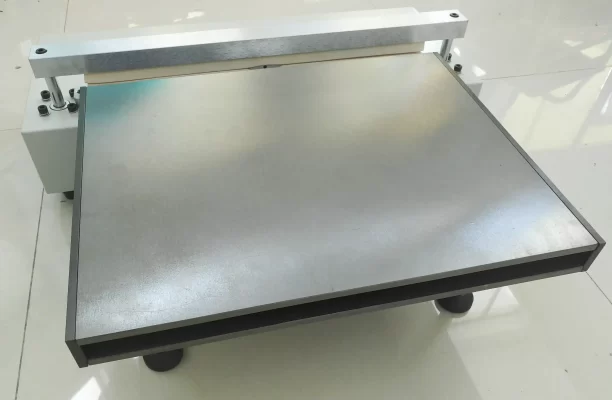
Begrensningsplater for åpen pakke
ASTM D5094 Beskrivelse
ASTM D5094 fokuserer på to hovedtestmetoder - en som involverer vibrasjon og lagringsforhold, og en som kombinerer vibrasjon med vakuumlekkasjetesting. Begge metodene gir innsikt i hvor godt en beholder og dens lukkesystem kan motstå påkjenninger under distribusjon uten å lekke.
Fremgangsmåte for lekkasjetest av flasker basert på ASTM D5094
Når kunder søker etter lekkasjetestprosedyre for flasker, lekkasjetesting av flasker, lekkasjetestprosedyre for væskeflasker, lekkasjetestmaskin for flasker, eller vakuumlekkasjetest for flasker, er de ofte på utkikk etter strukturert veiledning som er i samsvar med anerkjente standarder. ASTM D5094 dekker dette behovet med to spesifikke prosedyrer:
Metode A: Vibrasjons- og lagringstest for fraktcontainere
Fyll og forsegle - Beholderne fylles helt opp med den tiltenkte væsken eller en produktsimulerende væske. Forseglingene påføres med moment på produksjonsnivå.
Vibrasjon - Flaskene pakkes i forsendelseskartonger og utsettes for vibrasjoner (ASTM D999 eller tilsvarende forsendelsessykluser).
Lagring ved høy temperatur - Prøvene legges på siden ved 40 °C i opptil fire uker. Absorberende materiale kan brukes til å oppdage lekkasjer.
Inspeksjon - Med faste intervaller (24 timer, én uke, fire uker) kontrolleres beholderne for lekkasje, skorpedannelse eller trådsøl.
Denne metoden er strengere og simulerer reelle transport- og lagringsforhold.
Metode B: Vibrasjons- og vakuumkammertest av beholdere
Delvis utfylling - Beholderne er delvis fylt og forseglet med riktig dreiemoment.
Vibrasjon - Prøvene utsettes for vibrasjoner i kartonger.
Vakuumtest - Etter vibrasjon vendes de enkelte flaskene i et vakuumkammer og eksponeres for -34 kPa (10 tommer Hg) i 10 minutter.
Undersøkelse - Beholderne inspiseres for bobler, sprekker eller synlig lekkasje.
Denne metoden er raskere og egner seg for evaluering av individuelle beholdere, noe som gjør at den er mye brukt i rutinemessig vakuumlekkasjetest for flasker.
Betydningen av lekkasjetesting av flasker i industrien
ASTM D5094 er ikke bare en laboratorieøvelse - den har direkte relevans for produksjon og distribusjon:
Kvalitetssikring
Sikrer at flaskelukkingen holder seg hel selv under påkjenninger.
Overholdelse av sikkerhet
Forhindrer kontaminering, produkttap og manglende overholdelse av forskrifter.
Beskyttelse av merkevaren
Reduserer risikoen for at flaskene lekker ut til kundene.
Kostnadsbesparelser
Identifiserer svake lukkedesign før masseproduksjon.
For bransjer som mat, legemidler, drikkevarer og kjemikalier, Forebygging av lekkasjer er avgjørende for å opprettholde forbrukernes tillit og unngå kostbare tilbakekallinger.
Velge en testmaskin for flaskelekkasje
For å kunne bruke ASTM D5094 effektivt, er bedrifter avhengige av pålitelige maskiner for lekkasjetesting av flasker. A vakuumlekkasjetest for flasker er spesielt nyttig fordi den gir en rask og visuell bekreftelse av lukkingsintegriteten ved hjelp av bobleutslipp.
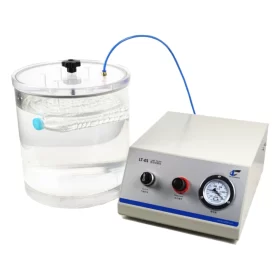
LT-01 Lekkasjetester
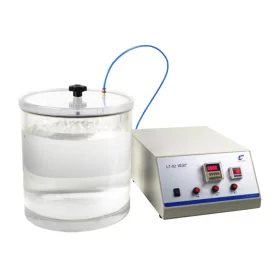
LT-02 Lekkasjetester
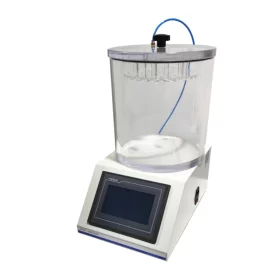
LT-03 Lekkasjetester
Cell Instruments tilbyr avanserte lekkasjetestere, som f.eks. Lekkasjetestere i LT-serien, som har:
Gjennomsiktige, holdbare vakuumkamre for visuell deteksjon.
Justerbare vakuumnivåer på opptil -90 kPa for sterkere stresstesting.
Alternativer for manuell, halvautomatisk og helautomatisk testing.
Tilpassbare kammerstørrelser for å passe til ulike flasketyper.
Disse systemene er i tråd med ASTM-standardene og gir produsentene trygghet for at beholderne deres oppfyller strenge kvalitetskrav.
Tolkning av resultater i henhold til ASTM D5094
Pass
Ingen synlig lekkasje utenfor beholderen.
Mislykket
Eventuell væske slipper ut utenfor lukkingen.
Betinget
Lekkasje begrenset til gjenger, men ikke på utsiden; kan kreve komparativ evaluering.
ASTM D5094 er en standard som definerer testmetoder for å påvise grove lekkasjer i beholdere med gjengede eller lug-lignende lukninger. Den hjelper produsentene med å verifisere at flaskene tåler vibrasjoner, lagring og vakuumforhold uten lekkasje, noe som sikrer produktsikkerhet og kvalitet.
To prosedyrer er definert: Metode A (vibrasjon og lagring ved høy temperatur) og metode B (vibrasjon og vakuumlekkasjetesting). Metode A er mer alvorlig og simulerer langtidslagring, mens metode B gir raskere resultater med en kontrollert vakuumlekkasjetest for flasker.
A maskin for testing av flaskelekkasje med et gjennomsiktig vakuumkammer er ideelt. Cell Instruments’ lekkasjetestere i LT-serien gjør det for eksempel mulig å oppdage lekkasjer visuelt ved hjelp av bobleutslipp, og de kan tilpasses til ulike flaskestørrelser og testforhold.
Betinget: Lekkasje kun i gjenger, krever ytterligere evaluering. Denne enkle bestått/ikke bestått-metoden gjør det enkelt å avgjøre om emballasjen oppfyller integritetskravene.
Standarden gjelder for stive og halvstive flasker på opptil 4 liter med gjenget eller lug-lignende lukking. Den er mye brukt for drikkevarer, legemidler, kjemikalier og forbruksvarer, men er kanskje ikke egnet for beholdere som transporterer farlige materialer.
ASTM D5094 er en standard som definerer testmetoder for å påvise grove lekkasjer i beholdere med gjengede eller lug-lignende lukninger. Den hjelper produsentene med å verifisere at flaskene tåler vibrasjoner, lagring og vakuumforhold uten lekkasje, noe som sikrer produktsikkerhet og kvalitet.
To prosedyrer er definert: Metode A (vibrasjon og lagring ved høy temperatur) og metode B (vibrasjon og vakuumlekkasjetesting). Metode A er mer alvorlig og simulerer langtidslagring, mens metode B gir raskere resultater med en kontrollert vakuumlekkasjetest for flasker.
A maskin for testing av flaskelekkasje med et gjennomsiktig vakuumkammer er ideelt. Cell Instruments’ lekkasjetestere i LT-serien gjør det for eksempel mulig å oppdage lekkasjer visuelt ved hjelp av bobleutslipp, og de kan tilpasses til ulike flaskestørrelser og testforhold.
Betinget: Lekkasje kun i gjenger, krever ytterligere evaluering. Denne enkle bestått/ikke bestått-metoden gjør det enkelt å avgjøre om emballasjen oppfyller integritetskravene.
Standarden gjelder for stive og halvstive flasker på opptil 4 liter med gjenget eller lug-lignende lukking. Den er mye brukt for drikkevarer, legemidler, kjemikalier og forbruksvarer, men er kanskje ikke egnet for beholdere som transporterer farlige materialer.
Leter du etter pålitelig ASTM D5094 lekkasjedeteksjonsutstyr?
Ikke gå glipp av sjansen til å optimalisere kvalitetskontrollprosessene dine med toppmoderne utstyr.
LSST-03 lekkasje- og forseglingsstyrketester er en toppmoderne enhet konstruert for streng vurdering av pakningens forseglingsintegritet på tvers av ulike bransjer. Dette utstyret er avgjørende for å verifisere at emballasjen opprettholder sine beskyttende egenskaper, og dermed ivareta produktkvalitet og sikkerhet. Den er spesielt egnet for applikasjoner som involverer fleksibel emballasje, men kan også tilpasses til å teste ikke-fleksible og stive materialer gjennom sin tilpassbare design.




 EN_GB
EN_GB  BG
BG  CS
CS  DA
DA  EL
EL  ET
ET  FI
FI  HU
HU  IT
IT  LT
LT  LV
LV  NL
NL  PL
PL  PT
PT  RO
RO  SK
SK  SL
SL  SV
SV  TR
TR  UK
UK  EN
EN  VI
VI  TH
TH  AZ
AZ  BE
BE  BN
BN  BS
BS  CA
CA  FA
FA  HE
HE  HI
HI  HR
HR  HY
HY  JV
JV  KK
KK  SQ
SQ  SR
SR  AF
AF  CY
CY  AS
AS  CEB
CEB  DZ
DZ  EU
EU  KA
KA  SI
SI  TL
TL  SW
SW  PS
PS