ASTM D5094 бағалау әдістерін ұсынатын маңызды халықаралық стандарт Жіпті немесе тұтқалы қақпақшалары бар контейнерлерден сұйықтықтардың ірі көлемде ағып кетуі. Бұл әсіресе 4 литрге дейінгі қатты және жартылай қатты контейнерлерге өзекті. ASTM D5094 стандартын сақтай отырып, өндірушілер мен сапаны бақылау мамандары сусындарға, фармацевтикалық препараттарға, химикаттарға және басқа сұйық өнімдерге арналған бөтелкелердің сақтау және тасымалдау кезінде тығыздығын сақтайтынына көз жеткізе алады.
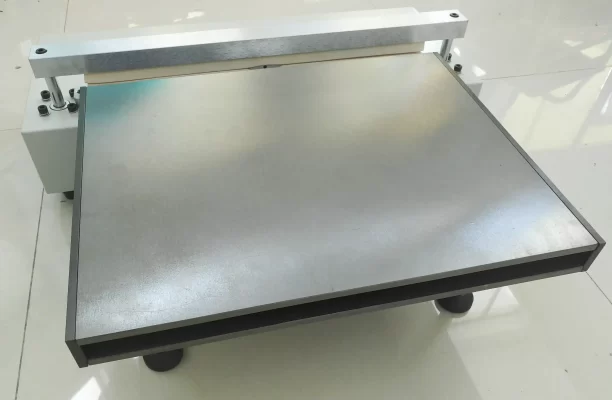
Ашық бумаға арналған шектеу тақталары
ASTM D5094 сипаттамасы
ASTM D5094 екі негізгі сынау әдісіне назар аударады — бірі діріл мен сақтау жағдайларын қамтиды, ал екіншісі дірілді біріктіреді. вакуумдық ағып кетуді сынау. Екі әдіс те контейнер мен оның тығыздау жүйесінің тарату кезінде ағып кетпей, жүктемелерге қаншалықты төзімді екенін анықтауға мүмкіндік береді.
ASTM D5094 стандартына негізделген бөтелке ағып кетуін сынау рәсімі
Тұтынушылар іздегенде Шыны бөтелкелердің ағып кетуін тексеру процедурасы, бөтелкелердің ағып кетуін тексеру, сұйықтық бөтелкелерінің ағып кетуін тексеру процедурасы, бөтелкелердің ағып кетуін тексеру машинасы, немесе Шыны бөтелкелерге арналған вакуумдық ағып кетуді тексеру, олар жиі мойындалған стандарттарға сәйкес келетін құрылымдық нұсқаулықтарды іздейді. ASTM D5094 осы қажеттілікті екі нақты рәсіммен қамтамасыз етеді:
Әдіс A: Жүк контейнерінің діріл және сақтау сынағы
Толықтырып, мөрлеңіз – Контейнерлер тиісті сұйықтықпен немесе өнімді имитациялайтын сұйықтықпен толық сыйымдылығына дейін толтырылады. Қақпақтар өндірістік деңгейдегі моментпен бұралады.
Діріл – Шыны бөтелкелер тасымалдау қораптарына салынып, дірілдеуге ұшыратылады (ASTM D999 немесе оған эквивалентті тасымалдау циклдері).
Жоғары температурада сақтау – Үлгілер бүйірлерімен төмен қаратып 40 °C (104 °F) температурада төрт аптаға дейін орналастырылады. Ағып кетуді анықтау үшін сіңіргіш материал қолдануға болады.
Тексеру – Белгіленген аралықтарда (24 сағат, бір апта, төрт апта) контейнерлердегі ағып кету, қабыршақтану немесе жіпшеден сіңу тексеріледі.
Бұл әдіс қатаң әрі нақты әлемдегі тасымалдау және сақтау жағдайларын модельдейді.
B әдісі: контейнерді дірілдету және вакуумдық камера сынағы
Жартылай толтыру – Контейнерлер жартылай толтырылып, тиісті моментпен тығыздалған.
Діріл – Үлгілер қораптарда дірілге ұшырайды.
Вакуумдық сынақ – Вибрациядан кейін жеке бөтелкелер вакуум камерасында аударылып, 10 минут бойы –34 кПа (10 дюйм сын. бағ.) қысымға ұшырайды.
Емтихан – Контейнерлер көпіршіктерге, жарықтарға немесе көзге көрінетін ағып кетулерге тексеріледі.
Бұл әдіс жеке контейнерлерді бағалау үшін жылдам әрі қолайлы болғандықтан, оны күнделікті жұмыста кеңінен қолданады. Шыны бөтелкелерге арналған вакуумдық ағып кетуді тексеру.
Өнеркәсіпте бөтелке ағып кетуін тексерудің маңызы
ASTM D5094 тек зертханалық жаттығу ғана емес — ол өндіріс пен таратуға тікелей қатысты:
Сапаны қамтамасыз ету
Бөтелке қақпақтарының кернеу кезінде де бүтіндігін сақтап қалуын қамтамасыз етеді.
Қауіпсіздік талаптарына сәйкестік
Ластанудың, өнімнің жоғалуының және нормативтік талаптардың бұзылуының алдын алады.
Брендті қорғау
Тұтынушыларға ақаулы бөтелкелердің жету қаупін азайтады.
Шығындарды үнемдеу
Жаппай өндіріске дейін әлсіз жабылу дизайнын анықтайды.
Мысалы, мынадай салалар үшін азық-түлік, фармацевтикалық препараттар, сусындар және химиялық заттар, ағып кетуді болдырмау тұтынушылардың сенімін сақтау және қымбат қайтарып алуларды болдырмау үшін өте маңызды.
Шыны бөтелкелерді ағып кетуге тексеру машинасын таңдау
ASTM D5094 стандартын тиімді қолдану үшін компаниялар сенімді деректерге сүйенеді. Шыны бөтелкелердің ағып кетуін тексеру машиналары. A Шыны бөтелкелерге арналған вакуумдық ағып кетуді тексеру Бұл әсіресе пайдалы, себебі ол көпіршік шығару арқылы тығыздаудың бүтіндігін жылдам әрі визуалды түрде растайды.
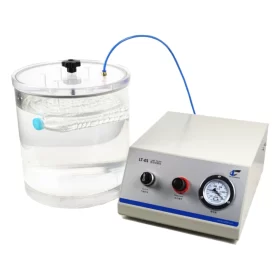
LT-01 ағып кетуді тексеру құралы
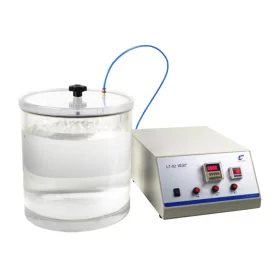
LT-02 ағып кетуді тексеру құралы
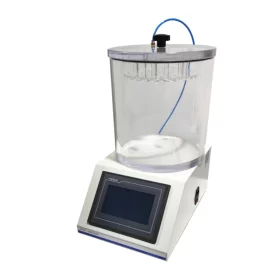
LT-03 ағып кетуді тексеру құралы
Cell Instruments озық ағып кетуді тексеру құрылғыларын ұсынады, мысалы LT сериялы ағып кетуді тексерушілер, оның ішінде:
Көзбен анықтауға арналған мөлдір, берік вакуумдық камералар.
Күшті стресс-тестілеу үшін –90 кПа-ға дейін реттелетін вакуум деңгейлері.
Қолмен, жартылай автоматты және толық автоматты тестілеудің нұсқалары.
Әртүрлі бөтелке түрлеріне сай реттелетін камера өлшемдері.
Бұл жүйелер ASTM стандарттарына сәйкес келеді және өндірушілерге олардың контейнерлері қатаң сапа талаптарына сай келетініне сенім береді.
ASTM D5094 бойынша нәтижелерді интерпретациялау
Өту
Контейнер сыртында көзге көрінетін ағып кету жоқ.
Сәтсіз
Кез келген сұйықтық тығыздағыштан сыртқа шығады.
Шартты
Сыртқа емес, тек жіптерде ғана ағып кету шектеулі; салыстырмалы бағалауды қажет етуі мүмкін.
ASTM D5094 — бұл жіпті немесе құлақшалы қақпақшалары бар контейнерлердегі ірі ағып кетулерді анықтау әдістерін белгілейтін стандарт. Ол өндірушілерге бөтелкелердің діріл, сақтау және вакуум жағдайларында ағып кетпейтініне көз жеткізуге көмектеседі, осылайша өнімнің қауіпсіздігі мен сапасын қамтамасыз етеді.
Екі процедура анықталған: А әдісі (вибрация және жоғары температурада сақтау) және В әдісі (вибрация және вакуумдық ағып кетуді сынау). А әдісі қатаң әрі ұзақ мерзімді сақтауды модельдейді, ал В әдісі бақыланатын жағдайда жылдамырақ нәтижелер береді. Шыны бөтелкелерге арналған вакуумдық ағып кетуді тексеру.
A Шыны бөтелкелердің ағып кетуін тексеру машинасы Ашық вакуумдық камерасы бар құрылғы ең қолайлы. Мысалы, Cell Instruments компаниясының LT сериялы ақауды анықтаушылары көпіршік шығарылуы арқылы ағып кетуді визуалды түрде анықтауға мүмкіндік береді және әртүрлі бөтелке өлшемдері мен сынақ шарттарына сәйкес реттеле алады.
Шартты: Тек жіптерде ағып кету, қосымша бағалау қажет. Бұл қарапайым өту/өтпеу тәсілі қаптаманың тұтастық талаптарына сай келетінін анықтауды жеңілдетеді.
Стандарт 4 литрге дейінгі қатты және жартылай қатты бөтелкелерге, жіпті немесе лог-стильді қақпақшалары бар бөтелкелерге қолданылады. Ол сусындарға, фармацевтикалық препараттарға, химикаттарға және тұтыну тауарларына кеңінен қолданылады, бірақ қауіпті материалдарды тасымалдайтын контейнерлерге жарамауы мүмкін.
ASTM D5094 — бұл жіпті немесе құлақшалы қақпақшалары бар контейнерлердегі ірі ағып кетулерді анықтау әдістерін белгілейтін стандарт. Ол өндірушілерге бөтелкелердің діріл, сақтау және вакуум жағдайларында ағып кетпейтініне көз жеткізуге көмектеседі, осылайша өнімнің қауіпсіздігі мен сапасын қамтамасыз етеді.
Екі процедура анықталған: А әдісі (вибрация және жоғары температурада сақтау) және В әдісі (вибрация және вакуумдық ағып кетуді сынау). А әдісі қатаң әрі ұзақ мерзімді сақтауды модельдейді, ал В әдісі бақыланатын жағдайда жылдамырақ нәтижелер береді. Шыны бөтелкелерге арналған вакуумдық ағып кетуді тексеру.
A Шыны бөтелкелердің ағып кетуін тексеру машинасы Ашық вакуумдық камерасы бар құрылғы ең қолайлы. Мысалы, Cell Instruments компаниясының LT сериялы ақауды анықтаушылары көпіршік шығарылуы арқылы ағып кетуді визуалды түрде анықтауға мүмкіндік береді және әртүрлі бөтелке өлшемдері мен сынақ шарттарына сәйкес реттеле алады.
Шартты: Тек жіптерде ағып кету, қосымша бағалау қажет. Бұл қарапайым өту/өтпеу тәсілі қаптаманың тұтастық талаптарына сай келетінін анықтауды жеңілдетеді.
Стандарт 4 литрге дейінгі қатты және жартылай қатты бөтелкелерге, жіпті немесе лог-стильді қақпақшалары бар бөтелкелерге қолданылады. Ол сусындарға, фармацевтикалық препараттарға, химикаттарға және тұтыну тауарларына кеңінен қолданылады, бірақ қауіпті материалдарды тасымалдайтын контейнерлерге жарамауы мүмкін.
Сенімді ASTM D5094 ағып кетуді анықтау жабдығын іздейсіз бе?
Сапаны бақылау процестерін заманауи жабдықпен оңтайландыру мүмкіндігін жіберіп алмаңыз.
ASTM F1140 қаптамаға арналған қысым сынақтары Баға ұсынысын сұрау Стандартты жиынтық ASTM F1140/F1140M-13(2020) Ішкі қысымның бұзылуына арналған стандартты сынақ әдістері
LSST-03 ағып кету мен тығыздағыш беріктігін сынаушы - бұл әртүрлі салалардағы қаптаманың тығыздағыш тұтастығын қатаң бағалау үшін жасалған заманауи құрылғы. Бұл жабдық қаптаманың қорғаныс мүмкіндіктерін сақтайтынын тексеру үшін өте маңызды, осылайша өнімнің сапасы мен қауіпсіздігін сақтайды. Ол икемді қаптаманы қамтитын қолданбалар үшін әсіресе қолайлы, бірақ сонымен қатар оның теңшелетін дизайны арқылы икемді емес және қатты материалдарды сынауға бейімделеді.




 EN_GB
EN_GB  BG
BG  CS
CS  DA
DA  EL
EL  ET
ET  FI
FI  HU
HU  IT
IT  LT
LT  LV
LV  NB
NB  NL
NL  PL
PL  PT
PT  RO
RO  SK
SK  SL
SL  SV
SV  TR
TR  UK
UK  EN
EN  VI
VI  TH
TH  AZ
AZ  BE
BE  BN
BN  BS
BS  CA
CA  FA
FA  HE
HE  HI
HI  HR
HR  HY
HY  JV
JV  SQ
SQ  SR
SR  AF
AF  CY
CY  AS
AS  CEB
CEB  DZ
DZ  EU
EU  KA
KA  SI
SI  TL
TL  SW
SW  PS
PS