Tiêu chuẩn ASTM D5094 là một tiêu chuẩn quốc tế quan trọng cung cấp các phương pháp để đánh giá Tình trạng rò rỉ nghiêm trọng chất lỏng từ các thùng chứa có nắp vặn hoặc nắp gài. Tiêu chuẩn này đặc biệt phù hợp với các loại bao bì cứng và bán cứng có dung tích lên đến 4 lít. Bằng cách tuân thủ tiêu chuẩn ASTM D5094, các nhà sản xuất và chuyên gia kiểm soát chất lượng có thể đảm bảo rằng các chai lọ dùng để đựng đồ uống, dược phẩm, hóa chất và các sản phẩm lỏng khác vẫn duy trì được độ kín của nắp trong suốt quá trình bảo quản và vận chuyển.
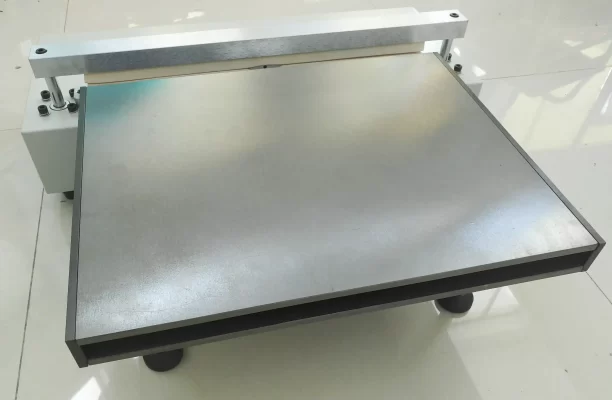
Tấm chắn cho gói mở
Mô tả tiêu chuẩn ASTM D5094
Tiêu chuẩn ASTM D5094 tập trung vào hai phương pháp thử nghiệm chính—một phương pháp liên quan đến điều kiện rung động và bảo quản, và phương pháp còn lại kết hợp rung động với kiểm tra rò rỉ chân không. Cả hai phương pháp này đều giúp đánh giá mức độ mà thùng chứa và hệ thống nắp đậy của nó có thể chịu được các tác động trong quá trình phân phối mà không bị rò rỉ.
Quy trình kiểm tra rò rỉ chai theo tiêu chuẩn ASTM D5094
Khi khách hàng tìm kiếm Quy trình kiểm tra rò rỉ chai, kiểm tra rò rỉ chai, quy trình kiểm tra rò rỉ cho chai đựng chất lỏng, máy kiểm tra rò rỉ chai, hoặc Kiểm tra rò rỉ chân không cho chai, họ thường tìm kiếm những hướng dẫn có hệ thống và tuân thủ các tiêu chuẩn được công nhận. Tiêu chuẩn ASTM D5094 đáp ứng nhu cầu này thông qua hai quy trình cụ thể:
Phương pháp A: Thử nghiệm rung động và bảo quản container vận chuyển
Đổ đầy và đóng kín – Các thùng chứa được đổ đầy đến mức tối đa bằng chất lỏng dự kiến hoặc chất lỏng mô phỏng sản phẩm. Nắp đậy được vặn chặt với mô-men xoắn theo tiêu chuẩn sản xuất.
Rung động – Các chai được đóng gói vào thùng carton vận chuyển và được thử nghiệm rung động (theo tiêu chuẩn ASTM D999 hoặc các chu kỳ vận chuyển tương đương).
Bảo quản ở nhiệt độ cao – Các mẫu được đặt nằm nghiêng ở nhiệt độ 40 °C (104 °F) trong thời gian tối đa bốn tuần. Có thể sử dụng vật liệu thấm hút để phát hiện rò rỉ.
Kiểm tra – Theo các khoảng thời gian định kỳ (24 giờ, một tuần, bốn tuần), các thùng chứa được kiểm tra xem có bị rò rỉ, đóng vảy hoặc rò rỉ qua các khe nối hay không.
Phương pháp này nghiêm ngặt hơn và mô phỏng các điều kiện vận chuyển và bảo quản trong thực tế.
Phương pháp B: Thử nghiệm rung lắc thùng chứa và thử nghiệm trong buồng chân không
Lấp đầy một phần – Các thùng chứa được đổ đầy một phần và niêm phong với lực siết đúng tiêu chuẩn.
Rung động – Các mẫu được đặt trong thùng carton và chịu tác động của rung động.
Thử nghiệm chân không – Sau khi rung, từng chai được lật ngược trong buồng chân không và tiếp xúc với áp suất –34 kPa (10 in. Hg) trong 10 phút.
Bài kiểm tra – Các thùng chứa được kiểm tra xem có bọt khí, vết nứt hoặc rò rỉ có thể nhìn thấy hay không.
Phương pháp này nhanh hơn và phù hợp để đánh giá từng thùng chứa riêng lẻ, do đó được áp dụng rộng rãi trong các quy trình thường xuyên Kiểm tra rò rỉ chân không cho chai.
Tầm quan trọng của việc kiểm tra rò rỉ chai lọ trong ngành công nghiệp
Tiêu chuẩn ASTM D5094 không chỉ là một bài thực hành trong phòng thí nghiệm—nó có liên quan trực tiếp đến sản xuất và phân phối:
Đảm bảo chất lượng
Đảm bảo nắp chai vẫn giữ được độ kín ngay cả khi chịu lực tác động.
Tuân thủ các quy định về an toàn
Ngăn ngừa ô nhiễm, thất thoát sản phẩm và vi phạm các quy định.
Bảo vệ thương hiệu
Giảm nguy cơ chai bị rò rỉ đến tay khách hàng.
Tiết kiệm chi phí
Phát hiện các thiết kế nắp đậy có điểm yếu trước khi đưa vào sản xuất hàng loạt.
Đối với các ngành như thực phẩm, dược phẩm, đồ uống và hóa chất, việc ngăn ngừa rò rỉ là yếu tố then chốt để duy trì niềm tin của người tiêu dùng và tránh các đợt thu hồi sản phẩm tốn kém.
Lựa chọn máy kiểm tra rò rỉ chai
Để áp dụng tiêu chuẩn ASTM D5094 một cách hiệu quả, các doanh nghiệp dựa vào các phương pháp đáng tin cậy máy kiểm tra rò rỉ chai. A Kiểm tra rò rỉ chân không cho chai đặc biệt hữu ích vì nó cho phép xác nhận nhanh chóng và trực quan tính toàn vẹn của lớp niêm phong thông qua hiện tượng thoát bọt khí.
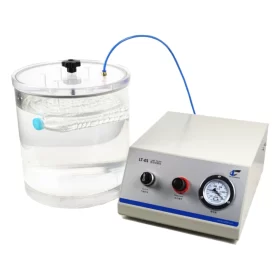
Máy kiểm tra rò rỉ LT-01
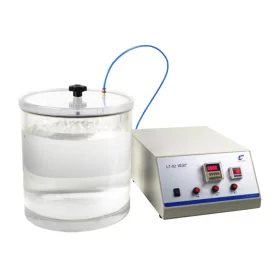
Máy kiểm tra rò rỉ LT-02
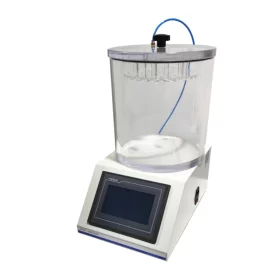
Máy kiểm tra rò rỉ LT-03
Cell Instruments cung cấp các thiết bị kiểm tra rò rỉ tiên tiến, chẳng hạn như Máy kiểm tra rò rỉ dòng LT, với các tính năng:
Các buồng chân không trong suốt, bền bỉ dùng để kiểm tra bằng mắt thường.
Có thể điều chỉnh mức chân không lên đến –90 kPa để thực hiện các bài kiểm tra chịu tải mạnh hơn.
Các tùy chọn kiểm tra thủ công, bán tự động và hoàn toàn tự động.
Kích thước buồng có thể điều chỉnh để phù hợp với các loại chai khác nhau.
Các hệ thống này tuân thủ các tiêu chuẩn ASTM và giúp các nhà sản xuất yên tâm rằng các thùng chứa của họ đáp ứng các yêu cầu chất lượng nghiêm ngặt.
Giải thích kết quả theo tiêu chuẩn ASTM D5094
Vượt qua
Không có dấu hiệu rò rỉ bên ngoài thùng chứa.
Thất bại
Chất lỏng nào đó rò rỉ ra ngoài nắp đậy.
Có điều kiện
Rò rỉ chỉ xảy ra ở các ren mà không lan ra bên ngoài; có thể cần phải tiến hành đánh giá so sánh.
Tiêu chuẩn ASTM D5094 quy định các phương pháp thử nghiệm để phát hiện rò rỉ nghiêm trọng trên các thùng chứa có nắp vặn hoặc nắp gài. Tiêu chuẩn này giúp các nhà sản xuất xác minh rằng chai lọ có thể chịu được rung động, điều kiện bảo quản và môi trường chân không mà không bị rò rỉ, từ đó đảm bảo an toàn và chất lượng sản phẩm.
Có hai quy trình được xác định: Phương pháp A (rung lắc kết hợp bảo quản ở nhiệt độ cao) và Phương pháp B (rung lắc kết hợp kiểm tra rò rỉ trong môi trường chân không). Phương pháp A khắc nghiệt hơn và mô phỏng điều kiện bảo quản lâu dài, trong khi Phương pháp B cho kết quả nhanh hơn với điều kiện được kiểm soát Kiểm tra rò rỉ chân không cho chai.
A máy kiểm tra rò rỉ chai với buồng chân không trong suốt là lựa chọn lý tưởng. Ví dụ, các máy kiểm tra rò rỉ dòng LT của Cell Instruments cho phép phát hiện rò rỉ bằng mắt thường thông qua hiện tượng bong bóng khí và có thể được tùy chỉnh để phù hợp với các kích cỡ chai và điều kiện kiểm tra khác nhau.
Có điều kiện: Chỉ có hiện tượng rò rỉ ở các ren, cần phải đánh giá thêm. Phương pháp đánh giá đơn giản theo kiểu “đạt/không đạt” này giúp dễ dàng xác định liệu bao bì có đáp ứng các yêu cầu về tính toàn vẹn hay không.
Tiêu chuẩn này áp dụng cho các chai cứng và bán cứng có dung tích tối đa 4 lít, sử dụng nắp vặn hoặc nắp gài. Tiêu chuẩn này được sử dụng rộng rãi trong các lĩnh vực đồ uống, dược phẩm, hóa chất và hàng tiêu dùng, nhưng có thể không phù hợp với các thùng chứa dùng để vận chuyển chất nguy hiểm.
Tiêu chuẩn ASTM D5094 quy định các phương pháp thử nghiệm để phát hiện rò rỉ nghiêm trọng trên các thùng chứa có nắp vặn hoặc nắp gài. Tiêu chuẩn này giúp các nhà sản xuất xác minh rằng chai lọ có thể chịu được rung động, điều kiện bảo quản và môi trường chân không mà không bị rò rỉ, từ đó đảm bảo an toàn và chất lượng sản phẩm.
Có hai quy trình được xác định: Phương pháp A (rung lắc kết hợp bảo quản ở nhiệt độ cao) và Phương pháp B (rung lắc kết hợp kiểm tra rò rỉ trong môi trường chân không). Phương pháp A khắc nghiệt hơn và mô phỏng điều kiện bảo quản lâu dài, trong khi Phương pháp B cho kết quả nhanh hơn với điều kiện được kiểm soát Kiểm tra rò rỉ chân không cho chai.
A máy kiểm tra rò rỉ chai với buồng chân không trong suốt là lựa chọn lý tưởng. Ví dụ, các máy kiểm tra rò rỉ dòng LT của Cell Instruments cho phép phát hiện rò rỉ bằng mắt thường thông qua hiện tượng bong bóng khí và có thể được tùy chỉnh để phù hợp với các kích cỡ chai và điều kiện kiểm tra khác nhau.
Có điều kiện: Chỉ có hiện tượng rò rỉ ở các ren, cần phải đánh giá thêm. Phương pháp đánh giá đơn giản theo kiểu “đạt/không đạt” này giúp dễ dàng xác định liệu bao bì có đáp ứng các yêu cầu về tính toàn vẹn hay không.
Tiêu chuẩn này áp dụng cho các chai cứng và bán cứng có dung tích tối đa 4 lít, sử dụng nắp vặn hoặc nắp gài. Tiêu chuẩn này được sử dụng rộng rãi trong các lĩnh vực đồ uống, dược phẩm, hóa chất và hàng tiêu dùng, nhưng có thể không phù hợp với các thùng chứa dùng để vận chuyển chất nguy hiểm.
Bạn đang tìm kiếm thiết bị phát hiện rò rỉ tiêu chuẩn ASTM D5094 đáng tin cậy?
Đừng bỏ lỡ cơ hội tối ưu hóa quy trình kiểm soát chất lượng của bạn bằng thiết bị hiện đại.
ASTM F1140 Thử nghiệm áp suất cho bao bì Yêu cầu báo giá Tóm tắt tiêu chuẩn ASTM F1140/F1140M-13(2020) Phương pháp thử nghiệm tiêu chuẩn cho lỗi áp suất bên trong
Thiết bị kiểm tra độ rò rỉ và độ kín LSST-03 là thiết bị hiện đại được thiết kế để đánh giá nghiêm ngặt tính toàn vẹn của lớp niêm phong bao bì trong nhiều ngành công nghiệp khác nhau. Thiết bị này rất quan trọng để xác minh rằng bao bì duy trì khả năng bảo vệ của nó, do đó bảo vệ chất lượng và sự an toàn của sản phẩm. Thiết bị này đặc biệt phù hợp với các ứng dụng liên quan đến bao bì mềm dẻo nhưng cũng có thể thích ứng để kiểm tra các vật liệu không mềm dẻo và cứng thông qua thiết kế tùy chỉnh của nó.




 EN_GB
EN_GB  BG
BG  CS
CS  DA
DA  EL
EL  ET
ET  FI
FI  HU
HU  IT
IT  LT
LT  LV
LV  NB
NB  NL
NL  PL
PL  PT
PT  RO
RO  SK
SK  SL
SL  SV
SV  TR
TR  UK
UK  EN
EN  TH
TH  AZ
AZ  BE
BE  BN
BN  BS
BS  CA
CA  FA
FA  HE
HE  HI
HI  HR
HR  HY
HY  JV
JV  KK
KK  SQ
SQ  SR
SR  AF
AF  CY
CY  AS
AS  CEB
CEB  DZ
DZ  EU
EU  KA
KA  SI
SI  TL
TL  SW
SW  PS
PS