ASTM D5094 ni kiwango muhimu cha kimataifa kinachotoa mbinu za kutathmini Uvujaaji mkubwa wa vimiminika kutoka kwenye vyombo vyenye vifunga vya nyuzi au vya lugi.. Ni hususan muhimu kwa vyombo vigumu na nusu vigumu hadi lita 4. Kwa kufuata ASTM D5094, watengenezaji na wataalamu wa udhibiti wa ubora wanaweza kuhakikisha kuwa chupa zinazotumika kwa vinywaji, dawa, kemikali, na bidhaa nyingine za kioevu zinadumisha uadilifu wa kufunga wakati wote wa uhifadhi na usafirishaji.
Sahani za Kuzuia kwa Ufungashaji Wazi
Maelezo ya ASTM D5094
ASTM D5094 inazingatia mbinu kuu mbili za upimaji—moja inayohusisha mtetemo na hali za uhifadhi, na nyingine inayochanganya mtetemo na upimaji wa uvujaji wa utupu. Njia zote mbili hutoa ufahamu juu ya jinsi chombo na mfumo wake wa kufunga vinavyoweza kustahimili msongo wakati wa usambazaji bila kuvuja.
Utaratibu wa Mtihani wa Uvuja wa Chupa Ulinganifu na ASTM D5094
Wakati wateja wanatafuta utaratibu wa upimaji uvujaji wa chupa, upimaji uvujaji wa chupa, utaratibu wa upimaji uvujaji kwa chupa za majimaji, mashine ya upimaji uvujaji wa chupa, au Jaribio la uvujaji wa ombwe kwa chupa, mara nyingi wanatafuta mwongozo uliopangwa unaokidhi viwango vinavyotambuliwa. ASTM D5094 inakidhi hitaji hili kwa taratibu mbili maalum:
Njia A: Mtihani wa Mtikiso na Uhifadhi wa Kontena la Usafirishaji
Jaza na Kufunga – Makontena hujazwa hadi uwezo kamili kwa kioevu kinachokusudiwa au kioevu kinachofanana na bidhaa. Vifuniko huwekwa kwa kutumia torque ya kiwango cha uzalishaji.
Mtetemo – Chupa hufungashwa kwenye katoni za kusafirishia na kuwekwa kwenye mtetemo (ASTM D999 au mizunguko ya usafirishaji inayolingana).
Uhifadhi wa Joto la Juu – Sampuli huwekwa kando kwa joto la 40 °C (104 °F) kwa hadi wiki nne. Nyenzo nyevu inaweza kutumika kugundua uvujaji.
Ukaguzi – Kila baada ya vipindi vilivyopangwa (masaa 24, wiki moja, wiki nne), vyombo hukaguliwa ili kuona kama vina uvujaji, maganda, au utiririshaji wa uzi.
Njia hii ni kali zaidi na inaiga hali halisi za usafirishaji na uhifadhi.
Njia B: Jaribio la Mtetemo wa Chombo na Chumba cha Vacuum
Ujazaji wa sehemu – Makontena yamejazwa kiasi na kufungwa kwa mvutano sahihi.
Mtetemo – Sampuli zinatiwa mtetemo zikiwa kwenye makabati.
Jaribio la utupu – Baada ya mtetemo, kila chupa hupinduliwa katika chumba cha ombwe na kuwekwa kwenye shinikizo la –34 kPa (10 in. Hg) kwa dakika 10.
Uchunguzi – Vyombo hukaguliwa ili kuona kama vina viputo, nyufa, au kuvuja kwa dhahiri.
Njia hii ni ya haraka na inafaa kwa tathmini ya kila chombo, na hivyo imekuwa ikitumika sana katika taratibu za kawaida. Jaribio la uvujaji wa ombwe kwa chupa.
Umuhimu wa Upimaji wa Uvuja wa Chupa katika Viwanda
ASTM D5094 si mazoezi ya maabara tu—ina umuhimu wa moja kwa moja katika utengenezaji na usambazaji:
Uhakikisho wa Ubora
Inahakikisha vifungio vya chupa vinadumisha uadilifu hata chini ya msongo.
Uzingatiaji wa Usalama
Huzuia uchafuzi, upotevu wa bidhaa, na kutofuata kanuni.
Ulinzi wa Chapa
Hupunguza hatari ya chupa zinazovuja kufikia wateja.
Akiba ya Gharama
Hutambua miundo dhaifu ya kufunga kabla ya uzalishaji mkubwa.
Kwa viwanda kama chakula, dawa, vinywaji, na kemikali, kuzuia uvujaji ni muhimu ili kudumisha imani ya wateja na kuepuka kurejeshwa kwa bidhaa kwa gharama kubwa.
Kuchagua Mashine ya Kupima Uvujaaji wa Chupa
Ili kutekeleza ASTM D5094 kwa ufanisi, makampuni hutegemea vyanzo vya kuaminika. Mashine za kupima uvujaji wa chupa. A Jaribio la uvujaji wa ombwe kwa chupa Ni muhimu hasa kwa sababu hutoa uthibitisho wa haraka na wa kuona wa uadilifu wa kufungwa kupitia utoaji wa povu.
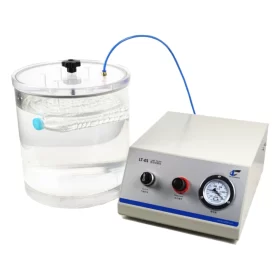
Kijaribu cha Uvujaji cha LT-01
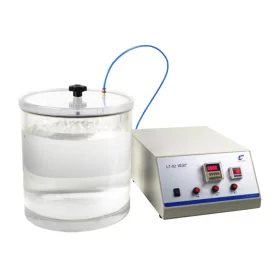
Kijaribu cha Uvujaji cha LT-02
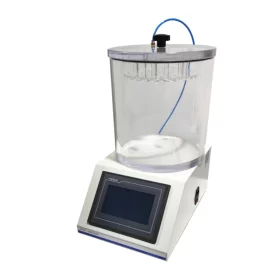
Kijaribu cha Uvujaji cha LT-03
Cell Instruments inatoa vifaa vya hali ya juu vya kupima uvujaji, kama vile Vifaa vya Mfululizo wa LT vya Kupima Uvujaji, ambazo zina:
Vyumba vya utupu vinavyopitisha mwanga na vinavyodumu kwa ugunduzi wa kuona.
Viwango vya vakumu vinavyoweza kurekebishwa hadi –90 kPa kwa majaribio ya mkazo yenye nguvu zaidi.
Chaguzi za upimaji wa mikono, nusu-kiotomatiki, na kiotomatiki kikamilifu.
Ukubwa wa vyumba unaoweza kubadilishwa ili kutoshea aina tofauti za chupa.
Mifumo hii inaendana na viwango vya ASTM na kuwapa wazalishaji uhakika kwamba vyombo vyao vinakidhi mahitaji magumu ya ubora.
Ufasiri wa Matokeo chini ya ASTM D5094
Pasi
Hakuna uvujaji unaoonekana nje ya chombo.
Imeshindwa
Kioevu chochote kinatoka nje ya kifuniko.
Kwa masharti
Uvuja umepunguzwa hadi kwenye nyuzi tu, lakini si nje; inaweza kuhitaji tathmini ya kulinganisha.
ASTM D5094 ni kiwango kinachoainisha mbinu za majaribio za kugundua uvujaji mkubwa katika vyombo vyenye vifunga vya nyuzi au vya lugi. Inasaidia watengenezaji kuthibitisha kuwa chupa zinaweza kustahimili mtetemo, uhifadhi, na hali ya utupu bila kuvuja, na hivyo kuhakikisha usalama na ubora wa bidhaa.
Mbinu mbili zimefafanuliwa: Mbinu A (mtetemo pamoja na uhifadhi katika joto la juu) na Mbinu B (mtetemo pamoja na upimaji wa uvujaji wa utupu). Mbinu A ni kali zaidi na inaiga uhifadhi wa muda mrefu, wakati Mbinu B inatoa matokeo ya haraka zaidi na yenye udhibiti Jaribio la uvujaji wa ombwe kwa chupa.
A Mashine ya kupima uvujaji wa chupa Chumba cha utupu kilicho wazi ni bora. Kwa mfano, Vipima Uvuja vya Mfululizo wa LT vya Cell Instruments huruhusu ugunduzi wa uvuja kwa kuona kupitia utoaji wa povu na vinaweza kubinafsishwa kwa ukubwa tofauti wa chupa na masharti ya majaribio.
Kwa masharti: Uvujaaji tu kwenye nyuzi, unahitaji tathmini zaidi. Mbinu hii rahisi ya kupitisha au kushindwa hurahisisha kubaini kama ufungaji unakidhi mahitaji ya uadilifu.
Kiwango hiki kinahusu chupa ngumu na nusu ngumu zenye ujazo wa hadi lita 4, zenye vifungio vya nyuzi au vya lugi. Hutumika sana kwa vinywaji, dawa, kemikali, na bidhaa za watumiaji, lakini huenda kisifae kwa vyombo vinavyobeba vifaa hatarishi.
ASTM D5094 ni kiwango kinachoainisha mbinu za majaribio za kugundua uvujaji mkubwa katika vyombo vyenye vifunga vya nyuzi au vya lugi. Inasaidia watengenezaji kuthibitisha kuwa chupa zinaweza kustahimili mtetemo, uhifadhi, na hali ya utupu bila kuvuja, na hivyo kuhakikisha usalama na ubora wa bidhaa.
Mbinu mbili zimefafanuliwa: Mbinu A (mtetemo pamoja na uhifadhi katika joto la juu) na Mbinu B (mtetemo pamoja na upimaji wa uvujaji wa utupu). Mbinu A ni kali zaidi na inaiga uhifadhi wa muda mrefu, wakati Mbinu B inatoa matokeo ya haraka zaidi na yenye udhibiti Jaribio la uvujaji wa ombwe kwa chupa.
A Mashine ya kupima uvujaji wa chupa Chumba cha utupu kilicho wazi ni bora. Kwa mfano, Vipima Uvuja vya Mfululizo wa LT vya Cell Instruments huruhusu ugunduzi wa uvuja kwa kuona kupitia utoaji wa povu na vinaweza kubinafsishwa kwa ukubwa tofauti wa chupa na masharti ya majaribio.
Kwa masharti: Uvujaaji tu kwenye nyuzi, unahitaji tathmini zaidi. Mbinu hii rahisi ya kupitisha au kushindwa hurahisisha kubaini kama ufungaji unakidhi mahitaji ya uadilifu.
Kiwango hiki kinahusu chupa ngumu na nusu ngumu zenye ujazo wa hadi lita 4, zenye vifungio vya nyuzi au vya lugi. Hutumika sana kwa vinywaji, dawa, kemikali, na bidhaa za watumiaji, lakini huenda kisifae kwa vyombo vinavyobeba vifaa hatarishi.
Unatafuta vifaa vya kuaminika vya kugundua uvujaji vya ASTM D5094?
Usikose nafasi ya kuboresha michakato yako ya udhibiti wa ubora kwa vifaa vya hali ya juu.
Vipimo vya Kushinikiza vya ASTM F1140 kwa Ufungaji Omba nukuu Muhtasari wa Kawaida ASTM F1140/F1140M-13(2020) Mbinu za Kawaida za Mtihani kwa Kushindwa kwa Shinikizo la Ndani
Kijaribu cha Kuvuja na Nguvu ya Muhuri cha LSST-03 ni kifaa cha hali ya juu kilichoundwa kwa ajili ya kutathmini ukamilifu wa muhuri wa kifurushi katika tasnia mbalimbali. Kifaa hiki ni muhimu kwa ajili ya kuthibitisha kuwa kifurushi kinadumisha uwezo wake wa ulinzi, na hivyo kulinda ubora na usalama wa bidhaa. Inafaa haswa kwa programu zinazojumuisha vifungashio vinavyonyumbulika lakini pia inaweza kubadilika ili kujaribu nyenzo zisizo nyumbufu na ngumu kupitia muundo wake unaoweza kugeuzwa kukufaa.




 EN_GB
EN_GB  BG
BG  CS
CS  DA
DA  EL
EL  ET
ET  FI
FI  HU
HU  IT
IT  LT
LT  LV
LV  NB
NB  NL
NL  PL
PL  PT
PT  RO
RO  SK
SK  SL
SL  SV
SV  TR
TR  UK
UK  EN
EN  VI
VI  TH
TH  AZ
AZ  BE
BE  BN
BN  BS
BS  CA
CA  FA
FA  HE
HE  HI
HI  HR
HR  HY
HY  JV
JV  KK
KK  SQ
SQ  SR
SR  AF
AF  CY
CY  AS
AS  CEB
CEB  DZ
DZ  EU
EU  KA
KA  SI
SI  TL
TL  PS
PS