
ASTM E493
Standard Practice for Leaks Using the Mass Spectrometer Leak Detector in the Inside-Out Testing Mode
Standardne kokkuvõte
ASTM E493 defines a structured practice for evaluating leakage in sealed components using a mass spectrometer leak detector in the inside-out mode. Industries such as microelectronics, medical devices, and precision instrumentation rely on this method to confirm the integrity of hermetic packages. By applying the principles of ASTM E493, engineers gain the capability to identify fine leaks, calculate actual leak rates, and maintain product reliability.
Standardkirjeldus
ASTM E493 addresses devices sealed prior to testing, including semiconductors, relays, pyrotechnic components, and high-reliability sensors. The standard requires that the test article contain helium at a known or calculable internal pressure during measurement. If the part cannot be filled before sealing, the method introduces helium through a controlled bombing process. This approach ensures that even the smallest pathway through the device wall can be detected.
The practice outlines two primary techniques:
- Test Method A uses helium bombing to introduce the tracer gas.
- Test Method B uses prefilling with helium prior to sealing.
In both cases, the part then enters an evacuated enclosure connected to a mass spectrometer leak detector. When a leak exists, the detector measures the helium flow and outputs an indicated rate.
Test Method A: Bombing Procedure
Bombing applies when no direct internal gas filling is possible. The sealed components remain in a helium pressure chamber for a predetermined duration. Bombing time, pressure, and dwell time directly influence sensitivity. Inadequate control can lead to inconsistent results, so best practice involves standardizing these values across batches.
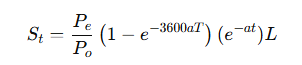
After bombing, operators must remove surface helium through nitrogen flushing or controlled drying. This step prevents sorbed helium from producing background signals on the detector. Once cleaned, the parts are placed in the test enclosure for measurement. Engineers record the indicated leak rate and the time elapsed between bombing and testing, which influence the calculation of the actual leak rate.
The standard provides the equation:

This relationship ensures that the calculated actual leak rate remains conservative, embedding a built-in safety factor for critical components.
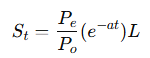
When the device can be filled with helium before sealing, Method B provides a more direct workflow. The part is filled at a known pressure, sealed, and tested under the same inside-out conditions as Method A. Since no bombing occurs, the calculation removes the first bracket of the previous equation:

Because the internal pressure is known, Method B often supports tighter quality control and faster cycle times.
Test Method B: Prefilling with Helium
Significance for Quality and Reliability
Manufacturers use ASTM E493 to confirm that hermetically sealed devices prevent long-term ingress of air, water vapor, and contaminants. Even minimal leakage can degrade microelectronics or sensitive medical components over time. Proper execution of this method protects downstream performance and reduces field failures.
Interferences and Good Practice
Surface coatings, dirt, polymeric materials, and rough textures may retain helium during bombing. Without mitigation, these interference sources can elevate background readings and obscure true leaks. Nitrogen washing or controlled heating often reduces this concern. In cases of very large leaks or extremely small internal volumes, the helium may escape before testing, requiring bubble tests or alternative large-leak methods immediately after removal from the chamber.
Looking for reliable leak detection equipment?
Ärge jätke kasutamata võimalust optimeerida oma kvaliteedikontrolli protsesse tipptasemel seadmetega.