


ASTM D5094
나사식 또는 러그식 마개가 있는 용기에서 액체의 총 누출에 대한 표준 테스트 방법
표준 요약
ASTM D5094 는 중요한 국제 표준으로, 다음과 같은 평가 방법을 제공합니다. 나사식 또는 러그식 마개가 있는 용기에서 액체가 심하게 누출되는 경우. 특히 최대 4리터의 경질 및 반경질 용기와 관련이 있습니다. 제조업체와 품질 관리 전문가는 ASTM D5094를 준수함으로써 음료, 의약품, 화학 제품 및 기타 액체 제품에 사용되는 병이 보관 및 운송 중에 마개 무결성을 유지하도록 보장할 수 있습니다.
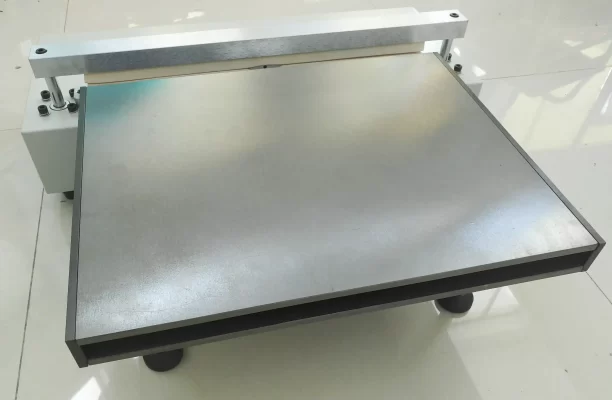
ASTM D5094 설명
ASTM D5094는 진동 및 보관 조건과 관련된 두 가지 주요 테스트 방법에 중점을 둡니다. 진공 누출 테스트. 두 가지 방법 모두 컨테이너와 마개 시스템이 누출 없이 유통 중 스트레스를 얼마나 잘 견딜 수 있는지에 대한 통찰력을 제공합니다.

ASTM D5094에 기반한 병 누출 테스트 절차
고객이 다음을 검색할 때 병 누출 테스트 절차, 병 누출 테스트, 액체 병의 누출 테스트 절차, 병 누출 테스트 기계, 또는 병에 대한 진공 누출 테스트, 공인된 표준을 준수하는 체계적인 지침을 찾고 있는 경우가 많습니다. ASTM D5094는 두 가지 구체적인 절차를 통해 이러한 요구를 해결합니다:
방법 A: 운송 컨테이너 진동 및 보관 테스트
- 채우기 및 봉인 - 용기는 의도한 액체 또는 제품 시뮬레이션 유체로 용량까지 채워집니다. 마개는 생산 수준의 토크를 사용하여 적용됩니다.
- 진동 - 병은 배송 상자에 포장되어 진동에 노출됩니다(ASTM D999 또는 이에 상응하는 배송 주기).
- 고온 스토리지 - 시료를 40°C(104°F)에서 최대 4주 동안 옆으로 눕혀 놓습니다. 흡수성 물질을 사용하여 누출을 감지할 수 있습니다.
- 검사 - 예정된 간격(24시간, 1주일, 4주)으로 용기의 누출, 딱딱함 또는 실 누출 여부를 확인합니다.
이 방법은 더 가혹하며 실제 운송 및 보관 조건을 시뮬레이션합니다.
방법 B: 용기 진동 및 진공 챔버 테스트
- 부분 채우기 - 용기는 적절한 토크로 부분적으로 채워지고 밀봉됩니다.
- 진동 - 표본은 상자에 넣어 진동에 노출됩니다.
- 진공 테스트 - 진동 후 개별 병을 진공 챔버에 뒤집어 놓고 -34kPa(10인치 Hg)에 10분간 노출시킵니다.
- 시험 - 용기에 기포, 균열 또는 눈에 보이는 누출이 있는지 검사합니다.
이 방법은 더 빠르고 개별 컨테이너 평가에 적합하므로 일상적으로 널리 채택되고 있습니다. 병에 대한 진공 누출 테스트.
산업에서 병 누출 테스트의 중요성
ASTM D5094는 단순한 실험실 테스트가 아니라 제조 및 유통과 직접적인 관련이 있습니다:
품질 보증
병마개가 스트레스를 받아도 무결성을 유지하도록 보장합니다.
안전 규정 준수
오염, 제품 손실 및 규정 미준수를 방지합니다.
브랜드 보호
병이 새어 고객에게 전달될 위험을 줄입니다.
비용 절감
대량 생산 전에 취약한 클로저 디자인을 식별합니다.
다음과 같은 산업의 경우 식품, 제약, 음료 및 화학 제품, 누출 방지는 소비자의 신뢰를 유지하고 비용이 많이 드는 리콜을 방지하는 데 매우 중요합니다.
병 누출 테스트 기계 선택
ASTM D5094를 효과적으로 적용하기 위해 기업들은 신뢰할 수 있는 병 누출 테스트 기계. A 병에 대한 진공 누출 테스트 는 버블 방출을 통해 클로저 무결성을 시각적으로 빠르게 확인할 수 있어 특히 유용합니다.
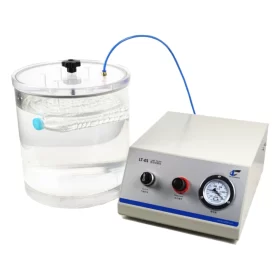
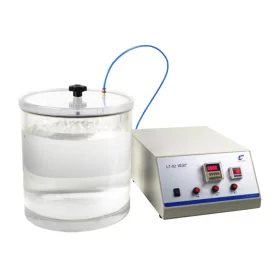
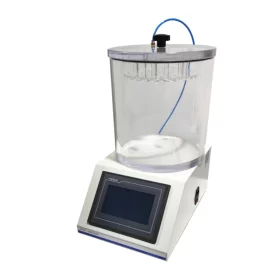
셀 인스트루먼트는 다음과 같은 고급 누출 테스터를 제공합니다. LT 시리즈 누출 테스터, 를 클릭합니다:
- 투명하고 내구성이 뛰어난 진공 챔버로 육안으로 감지할 수 있습니다.
- 강력한 스트레스 테스트를 위해 최대 -90kPa까지 진공 수준을 조절할 수 있습니다.
- 수동, 반자동, 완전 자동 테스트 옵션이 있습니다.
- 다양한 병 유형에 맞게 챔버 크기를 맞춤 설정할 수 있습니다.
이러한 시스템은 ASTM 표준에 부합하며 제조업체가 엄격한 품질 요구 사항을 충족한다는 확신을 줄 수 있습니다.
ASTM D5094에 따른 결과 해석
통과하다
컨테이너 외부로 눈에 보이는 누출이 없습니다.
실패하다
모든 액체는 폐쇄 너머로 빠져나갑니다.
조건부
누출은 스레드로 제한되지만 외부로 유출되지 않으며, 비교 평가가 필요할 수 있습니다.
ASTM D5094에 대한 FAQ
1. ASTM D5094란 무엇이며 병 누출 테스트에 중요한 이유는 무엇인가요?
ASTM D5094는 나사식 또는 러그식 마개가 있는 용기의 총 누출을 감지하는 테스트 방법을 정의하는 표준입니다. 제조업체는 이를 통해 병이 진동, 보관 및 진공 조건을 누출 없이 견딜 수 있는지 검증하여 제품의 안전과 품질을 보장할 수 있습니다.
2. ASTM D5094에 따른 액체 병의 권장 누출 테스트 절차는 무엇인가요?
두 가지 절차가 정의되어 있습니다: 방법 A(진동 + 고온 보관)와 방법 B(진동 + 진공 누출 테스트)가 있습니다. 방법 A는 더 가혹하고 장기 보관을 시뮬레이션하는 반면, 방법 B는 제어된 환경에서 더 빠른 결과를 제공합니다. 병에 대한 진공 누출 테스트.
3. ASTM D5094를 준수하는 데 가장 적합한 병 누출 테스트 기계 유형은 무엇입니까?
A 병 누출 테스트 기계 투명 진공 챔버가 있는 것이 이상적입니다. 예를 들어, 셀 인스트루먼트의 LT 시리즈 누출 테스터는 기포 방출을 통해 누출을 시각적으로 감지할 수 있으며 다양한 병 크기와 테스트 조건에 맞게 맞춤 설정할 수 있습니다.
4. ASTM D5094 누출 테스트 절차의 결과를 어떻게 해석할 수 있나요?
- 통과하다: 눈에 보이는 누출이 없습니다.
- 실패하다: 액체가 클로저 밖으로 빠져나갑니다.
- 조건부: 스레드에서만 누출, 추가 평가가 필요함.
이 간단한 합격/불합격 접근 방식을 사용하면 패키징이 무결성 요구 사항을 충족하는지 쉽게 확인할 수 있습니다.
5. ASTM D5094 누출 테스트를 모든 유형의 병에 적용할 수 있나요?
이 표준은 나사식 또는 러그식 마개가 있는 최대 4리터 용량의 경질 및 반경질 병에 적용됩니다. 음료, 의약품, 화학 제품 및 소비재에 널리 사용되지만 위험 물질을 운송하는 용기에는 적합하지 않을 수 있습니다.
ASTM D5094에 대한 FAQ
1. ASTM D5094란 무엇이며 병 누출 테스트에 중요한 이유는 무엇인가요?
ASTM D5094는 나사식 또는 러그식 마개가 있는 용기의 총 누출을 감지하는 테스트 방법을 정의하는 표준입니다. 제조업체는 이를 통해 병이 진동, 보관 및 진공 조건을 누출 없이 견딜 수 있는지 검증하여 제품의 안전과 품질을 보장할 수 있습니다.
2. ASTM D5094에 따른 액체 병의 권장 누출 테스트 절차는 무엇인가요?
두 가지 절차가 정의되어 있습니다: 방법 A(진동 + 고온 보관)와 방법 B(진동 + 진공 누출 테스트)가 있습니다. 방법 A는 더 가혹하고 장기 보관을 시뮬레이션하는 반면, 방법 B는 제어된 환경에서 더 빠른 결과를 제공합니다. 병에 대한 진공 누출 테스트.
3. ASTM D5094를 준수하는 데 가장 적합한 병 누출 테스트 기계 유형은 무엇입니까?
A 병 누출 테스트 기계 투명 진공 챔버가 있는 것이 이상적입니다. 예를 들어, 셀 인스트루먼트의 LT 시리즈 누출 테스터는 기포 방출을 통해 누출을 시각적으로 감지할 수 있으며 다양한 병 크기와 테스트 조건에 맞게 맞춤 설정할 수 있습니다.
4. ASTM D5094 누출 테스트 절차의 결과를 어떻게 해석할 수 있나요?
- 통과하다: 눈에 보이는 누출이 없습니다.
- 실패하다: 액체가 클로저 밖으로 빠져나갑니다.
- 조건부: 스레드에서만 누출, 추가 평가가 필요함.
이 간단한 합격/불합격 접근 방식을 사용하면 패키징이 무결성 요구 사항을 충족하는지 쉽게 확인할 수 있습니다.
5. ASTM D5094 누출 테스트를 모든 유형의 병에 적용할 수 있나요?
이 표준은 나사식 또는 러그식 마개가 있는 최대 4리터 용량의 경질 및 반경질 병에 적용됩니다. 음료, 의약품, 화학 제품 및 소비재에 널리 사용되지만 위험 물질을 운송하는 용기에는 적합하지 않을 수 있습니다.
관련 게시물
누출 및 밀봉 강도 테스터
LSST-03 누출 및 밀봉 강도 테스터는 다양한 산업에서 패키지 밀봉 무결성을 엄격하게 평가하도록 설계된 최첨단 장치입니다. 이 장비는 포장이 보호 기능을 유지하는지 확인하는 데 필수적이며, 이를 통해 제품 품질과 안전을 보호합니다. 특히 유연한 포장과 관련된 응용 분야에 적합하지만 사용자 정의 가능한 디자인을 통해 유연하지 않고 단단한 재료를 테스트하는 데도 적용할 수 있습니다.
 EN_GB
EN_GB  BG
BG  CS
CS  DA
DA  EL
EL  ET
ET  FI
FI  HU
HU  IT
IT  LT
LT  LV
LV  NB
NB  NL
NL  PL
PL  PT
PT  RO
RO  SK
SK  SL
SL  SV
SV  TR
TR  UK
UK  EN
EN  VI
VI  TH
TH  AZ
AZ  BE
BE  BN
BN  BS
BS  CA
CA  FA
FA  HE
HE  HI
HI  HR
HR  HY
HY  JV
JV  KK
KK  SQ
SQ  SR
SR  AF
AF  CY
CY  AS
AS  CEB
CEB  DZ
DZ  EU
EU  KA
KA  SI
SI  TL
TL  SW
SW  PS
PS