ASTM D5094 ay isang mahalagang pandaigdigang pamantayan na nagbibigay ng mga pamamaraan upang suriin ang Malaking pagtagas ng mga likido mula sa mga lalagyan na may turnilyo o lug-style na takip. Ito ay partikular na mahalaga para sa mga rigid at semi-rigid na lalagyan hanggang sa 4 na litro. Sa pamamagitan ng pagsunod sa ASTM D5094, masisiguro ng mga tagagawa at mga propesyonal sa kontrol ng kalidad na ang mga bote na ginagamit para sa mga inumin, parmasyutiko, kemikal, at iba pang likidong produkto ay nananatiling buo ang pagsara sa buong panahon ng pag-iimbak at transportasyon.
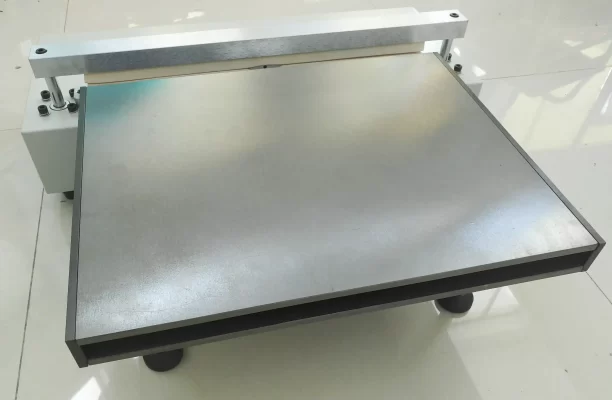
Mga Pinipigilang Plate para sa Open Pack
Paglalarawan ng ASTM D5094
Ang ASTM D5094 ay nakatuon sa dalawang pangunahing pamamaraan ng pagsubok—isa na kinasasangkutan ng panginginig at mga kondisyon ng imbakan, at ang isa pa ay pinagsasama ang panginginig sa pagsusuri ng vacuum leak. Parehong nagbibigay ang dalawang pamamaraan ng pananaw kung gaano kahusay na kayang tiisin ng isang lalagyan at ng sistema ng pagsara nito ang mga puwersa sa panahon ng pamamahagi nang hindi tumutulo.
Pamamaraan ng Pagsubok sa Tagas ng Botelya Batay sa ASTM D5094
Kapag naghahanap ang mga customer para sa pamamaraan ng pagsubok sa tagas ng bote, pagsubok sa tagas ng bote, pamamaraan ng pagsubok sa tagas para sa mga boteng may likido, makina para sa pagsubok sa tagas ng bote, o pagsubok sa tagas ng vacuum para sa mga bote, madalas silang naghahanap ng estrukturadong gabay na sumusunod sa kinikilalang pamantayan. Tinutugunan ng ASTM D5094 ang pangangailangang ito sa pamamagitan ng dalawang tiyak na pamamaraan:
Paraan A: Pagsubok sa Panginginig at Pag-iimbak ng Container ng Padala
Punuin at selyuhin – Pinupuno ang mga lalagyan hanggang sa kapasidad ng inaasahang likido o likidong panggaya ng produkto. Inilalagay ang mga takip gamit ang torque na katulad ng sa produksyon.
Panginginig Ang mga bote ay inilalagay sa mga karton para sa pagpapadala at sumasailalim sa panginginig (ASTM D999 o katumbas na mga siklo ng pagpapadala).
Pag-iimbak sa Mataas na Temperatura – Inilalagay ang mga specimen nang nakahiga sa kanilang gilid sa 40 °C (104 °F) nang hanggang apat na linggo. Maaaring gumamit ng sumisipsip na materyal upang matukoy ang mga tagas.
Pagsusuri – Sa itinakdang pagitan ng oras (24 na oras, isang linggo, apat na linggo), sinusuri ang mga lalagyan para sa tagas, pagkabalat, o pagtagas ng sinulid.
Mas mahigpit ang pamamaraang ito at ginagaya ang mga kondisyon ng transportasyon at imbakan sa totoong mundo.
Paraan B: Pagsusuri sa Panginginig ng Lalagyan at Silid na Walang Hangin
Bahagyang pagpuno – Ang mga lalagyan ay bahagyang napuno at selyado sa tamang torque.
Panginginig – Ang mga specimen ay sumasailalim sa panginginig sa loob ng mga karton.
Pagsubok sa vacuum – Pagkatapos ng panginginig, ang bawat bote ay ibinabaliktad sa isang silid-bakante at inilalantad sa –34 kPa (10 in. Hg) sa loob ng 10 minuto.
Pagsusulit Sinusuri ang mga lalagyan para sa bula, bitak, o nakikitang tagas.
Ang pamamaraang ito ay mas mabilis at angkop para sa indibidwal na pagsusuri ng lalagyan, kaya malawakang ginagamit ito sa pang-araw-araw na gawain. pagsubok sa tagas ng vacuum para sa mga bote.
Kahalagahan ng Pagsusuri sa Tagas ng Botelya sa Industriya
Ang ASTM D5094 ay hindi lamang isang ehersisyo sa laboratoryo—mayroon itong direktang kaugnayan sa pagmamanupaktura at pamamahagi:
Pagtitiyak ng Kalidad
Tinitiyak na nananatiling buo ang integridad ng mga takip ng bote kahit na nasa ilalim ng stress.
Pagtupad sa Kaligtasan
Naiiwasan ang kontaminasyon, pagkawala ng produkto, at hindi pagsunod sa regulasyon.
Proteksyon sa Tatak
Binabawasan ang panganib na makarating sa mga customer ang mga tumutulong bote.
Pagtitipid sa Gastos
Nakikilala ang mahihinang disenyo ng pagsasara bago ang maramihang produksyon.
Para sa mga industriya tulad ng pagkain, mga gamot, mga inumin, at mga kemikal, ang pag-iwas sa tagas ay kritikal sa pagpapanatili ng tiwala ng mga mamimili at pag-iwas sa magastos na pag-urong ng produkto.
Paglilipat ng Botelya sa Makina ng Pagsubok ng Tagas
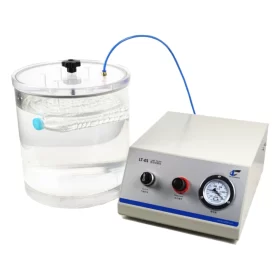
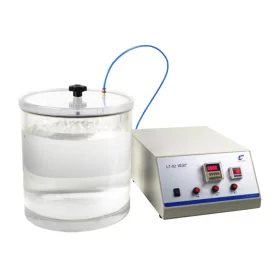
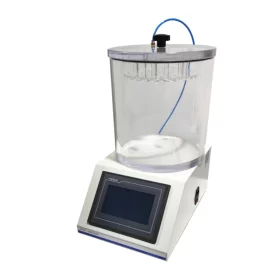
Upang mabisang mailapat ang ASTM D5094, umaasa ang mga kumpanya sa maaasahan mga makina para sa pagsubok ng tagas ng bote. Isang pagsubok sa tagas ng vacuum para sa mga bote Lalo itong kapaki-pakinabang dahil nagbibigay ito ng mabilis at biswal na kumpirmasyon ng integridad ng pagsasara sa pamamagitan ng paglabas ng bula.
LT-01 Leak Tester
LT-02 Leak Tester
LT-03 Leak Tester
Nag-aalok ang Cell Instruments ng mga advanced na tagasuri ng tagas, tulad ng Mga Tagasukoy ng Tagas ng Serye ng LT, na nagtatampok ng:
Mga transparent at matibay na vacuum chamber para sa visual na pagtuklas.
Nai-aayos na antas ng vacuum hanggang –90 kPa para sa mas matinding stress testing.
Mga pagpipilian para sa manwal, semi-awtomatiko, at ganap na awtomatikong pagsubok.
Maaaring i-customize ang sukat ng mga silid upang umangkop sa iba't ibang uri ng bote.
Ang mga sistemang ito ay alinsunod sa mga pamantayan ng ASTM at nagbibigay sa mga tagagawa ng kumpiyansa na ang kanilang mga lalagyan ay nakakatugon sa mahigpit na pangangailangan sa kalidad.
Pagsusuri ng mga Resulta sa ilalim ng ASTM D5094
Pass
Walang nakikitang tagas sa labas ng lalagyan.
Nabigo
Ang anumang likido ay tumatagas lampas sa takip.
May kondisyon
Ang tagas ay limitado sa mga sinulid at hindi lumalabas; maaaring kailanganin ng paghahambing na pagsusuri.
Ang ASTM D5094 ay isang pamantayan na naglalahad ng mga pamamaraan ng pagsubok para matukoy ang malalaking tagas sa mga lalagyan na may sinulid o lug-style na takip. Tinutulungan nito ang mga tagagawa na matiyak na kayang tiisin ng mga bote ang panginginig, pag-iimbak, at mga kondisyon ng vacuum nang hindi tumatagas, na tinitiyak ang kaligtasan at kalidad ng produkto.
Dalawang pamamaraan ang itinakda: Pamamaraan A (panginginig at pag-iimbak sa mataas na temperatura) at Pamamaraan B (panginginig at pagsubok sa tagas sa vacuum). Mas mabigat ang Pamamaraan A at ginagaya ang pangmatagalang pag-iimbak, habang ang Pamamaraan B ay nagbibigay ng mas mabilis na resulta sa isang kontroladong pagsubok sa tagas ng vacuum para sa mga bote.
A Makina para sa pagsubok ng tagas ng bote Ang may transparent na vacuum chamber ay perpekto. Halimbawa, pinapayagan ng LT Series Leak Testers ng Cell Instruments ang visual na pagtuklas ng mga tagas sa pamamagitan ng paglabas ng bula at maaaring iakma para sa iba't ibang sukat ng bote at kondisyon ng pagsubok.
May kondisyon: Tagas lamang sa mga sinulid, na nangangailangan ng karagdagang pagsusuri. Ang simpleng pamamaraang pumasa/hindi pumasa na ito ay nagpapadali sa pagtukoy kung nakakatugon ang packaging sa mga kinakailangan sa integridad.
Ang pamantayan ay nalalapat sa matigas at kalahating matigas na bote hanggang sa 4 na litro na may turnilyo o lug-style na takip. Malawakang ginagamit ito para sa mga inumin, gamot, kemikal, at mga kalakal ng konsyumer, ngunit maaaring hindi ito angkop para sa mga lalagyan na nagdadala ng mapanganib na materyales.
Ang ASTM D5094 ay isang pamantayan na naglalahad ng mga pamamaraan ng pagsubok para matukoy ang malalaking tagas sa mga lalagyan na may sinulid o lug-style na takip. Tinutulungan nito ang mga tagagawa na matiyak na kayang tiisin ng mga bote ang panginginig, pag-iimbak, at mga kondisyon ng vacuum nang hindi tumatagas, na tinitiyak ang kaligtasan at kalidad ng produkto.
Dalawang pamamaraan ang itinakda: Pamamaraan A (panginginig at pag-iimbak sa mataas na temperatura) at Pamamaraan B (panginginig at pagsubok sa tagas sa vacuum). Mas mabigat ang Pamamaraan A at ginagaya ang pangmatagalang pag-iimbak, habang ang Pamamaraan B ay nagbibigay ng mas mabilis na resulta sa isang kontroladong pagsubok sa tagas ng vacuum para sa mga bote.
A Makina para sa pagsubok ng tagas ng bote Ang may transparent na vacuum chamber ay perpekto. Halimbawa, pinapayagan ng LT Series Leak Testers ng Cell Instruments ang visual na pagtuklas ng mga tagas sa pamamagitan ng paglabas ng bula at maaaring iakma para sa iba't ibang sukat ng bote at kondisyon ng pagsubok.
May kondisyon: Tagas lamang sa mga sinulid, na nangangailangan ng karagdagang pagsusuri. Ang simpleng pamamaraang pumasa/hindi pumasa na ito ay nagpapadali sa pagtukoy kung nakakatugon ang packaging sa mga kinakailangan sa integridad.
Ang pamantayan ay nalalapat sa matigas at kalahating matigas na bote hanggang sa 4 na litro na may turnilyo o lug-style na takip. Malawakang ginagamit ito para sa mga inumin, gamot, kemikal, at mga kalakal ng konsyumer, ngunit maaaring hindi ito angkop para sa mga lalagyan na nagdadala ng mapanganib na materyales.
Naghahanap ba kayo ng maaasahang kagamitan para sa pagtuklas ng tagas ayon sa ASTM D5094?
Huwag palampasin ang pagkakataong i-optimize ang iyong mga proseso sa pagkontrol sa kalidad gamit ang makabagong kagamitan.
ASTM F1140 Pressurization Tests for Packaging Humiling ng quote Standard Summary ASTM F1140/F1140M-13(2020) Standard Test Methods for Internal Pressurization Failure
Ang LSST-03 Leak and Seal Strength Tester ay isang makabagong device na ginawa para sa mahigpit na pagtatasa ng integridad ng package seal sa iba't ibang industriya. Ang kagamitang ito ay mahalaga para sa pag-verify na ang packaging ay nagpapanatili ng mga kakayahan sa pagprotekta nito, sa gayon ay napangalagaan ang kalidad at kaligtasan ng produkto. Ito ay partikular na angkop para sa mga application na kinasasangkutan ng nababaluktot na packaging ngunit naaangkop din upang subukan ang hindi nababaluktot at matibay na mga materyales sa pamamagitan ng napapasadyang disenyo nito.




 EN_GB
EN_GB  BG
BG  CS
CS  DA
DA  EL
EL  ET
ET  FI
FI  HU
HU  IT
IT  LT
LT  LV
LV  NB
NB  NL
NL  PL
PL  PT
PT  RO
RO  SK
SK  SL
SL  SV
SV  TR
TR  UK
UK  EN
EN  VI
VI  TH
TH  AZ
AZ  BE
BE  BN
BN  BS
BS  CA
CA  FA
FA  HE
HE  HI
HI  HR
HR  HY
HY  JV
JV  KK
KK  SQ
SQ  SR
SR  AF
AF  CY
CY  AS
AS  CEB
CEB  DZ
DZ  EU
EU  KA
KA  SI
SI  SW
SW  PS
PS